
Policy Briefs
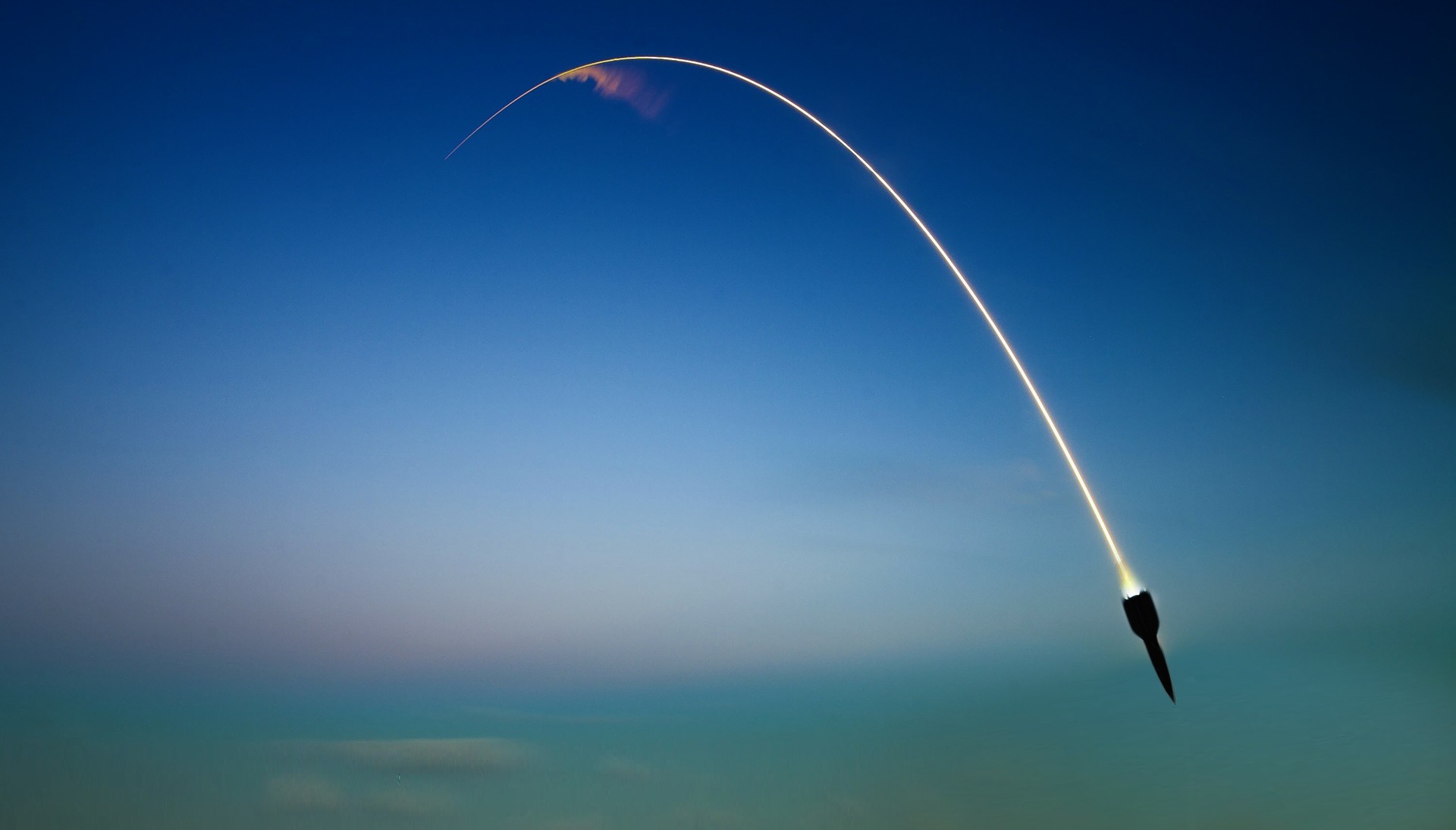
DPRK: Current Status of the Development of Nuclear Weapons
Yongsoo Hwang outlines programs and steps towards facilitating international cooperation with North Korea.
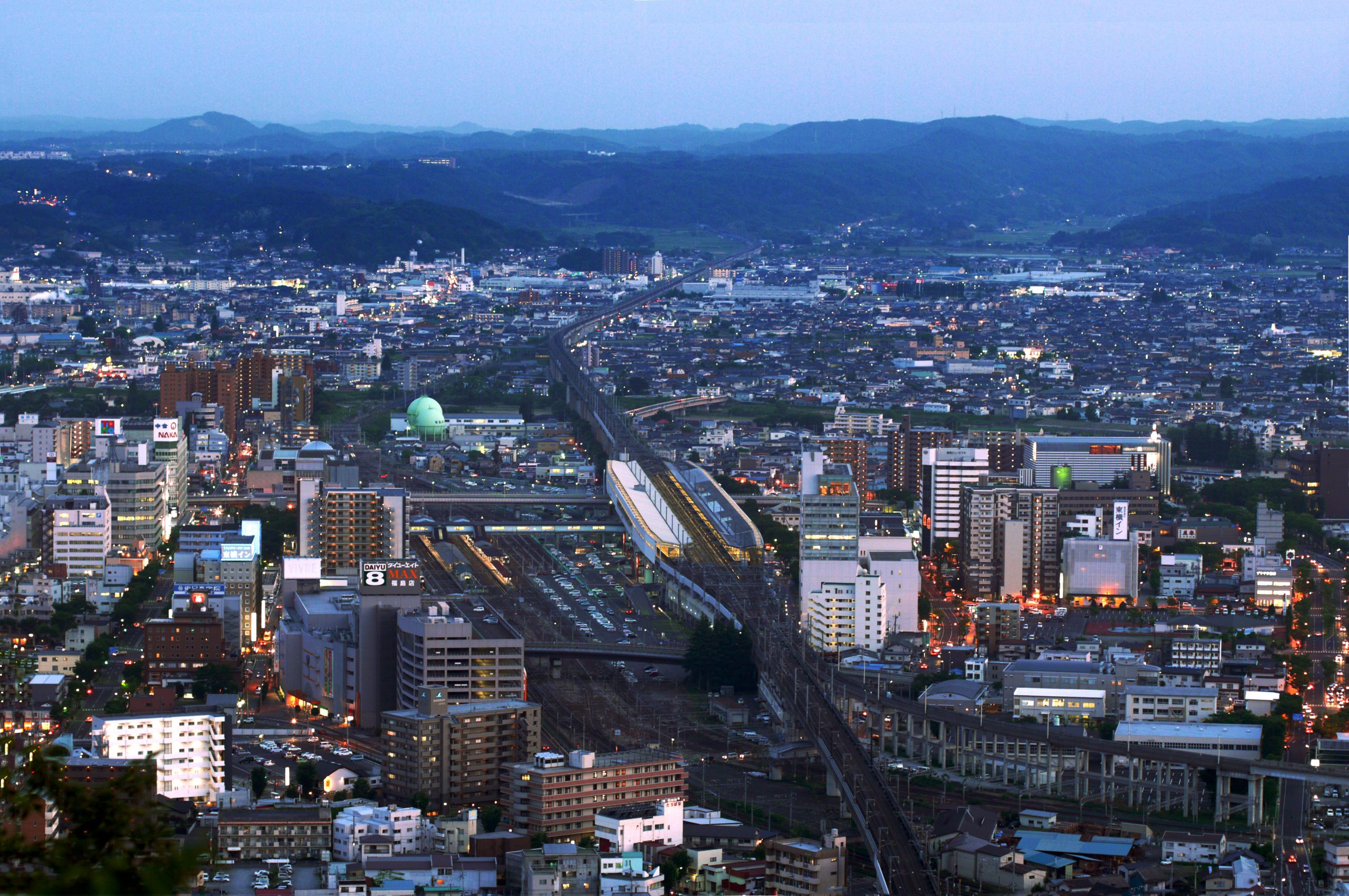
Japan’s Nuclear Safety Governance after Fukushima
Japan learned a harsh lesson about nuclear regulation systems from Fukushima. Post-Fukushima, the Nuclear Regulation Authority (NRA) has been making sure those lessons stick.
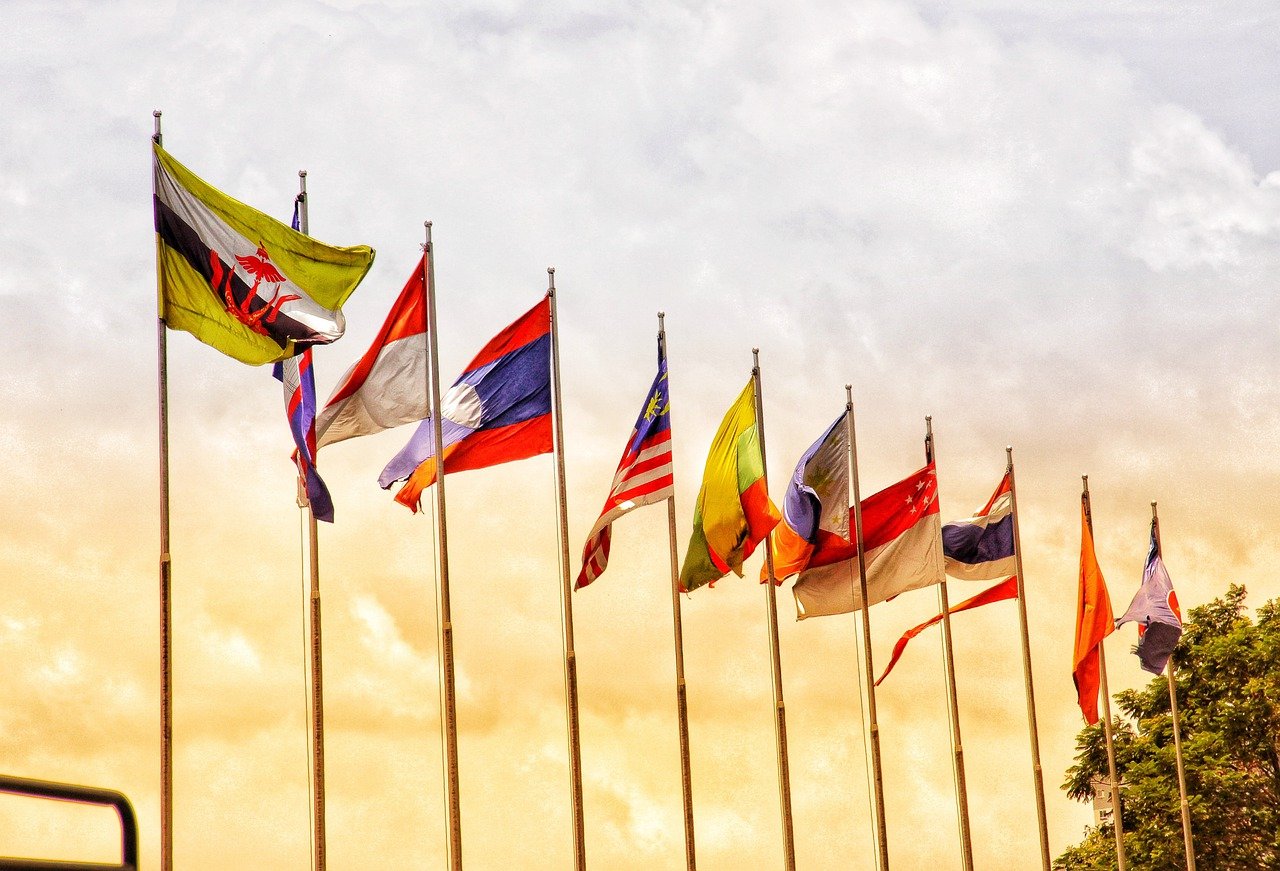
The Southeast Asia Nuclear-Weapon-Free Zone: A US Perspective on the Treaty and Its Future
The Southeast Asian Nuclear-Weapon-Free Zone (SEANWFZ)'s stance is to promote regional security and US interests. The future of the treaty remains murky under the Trump administration.
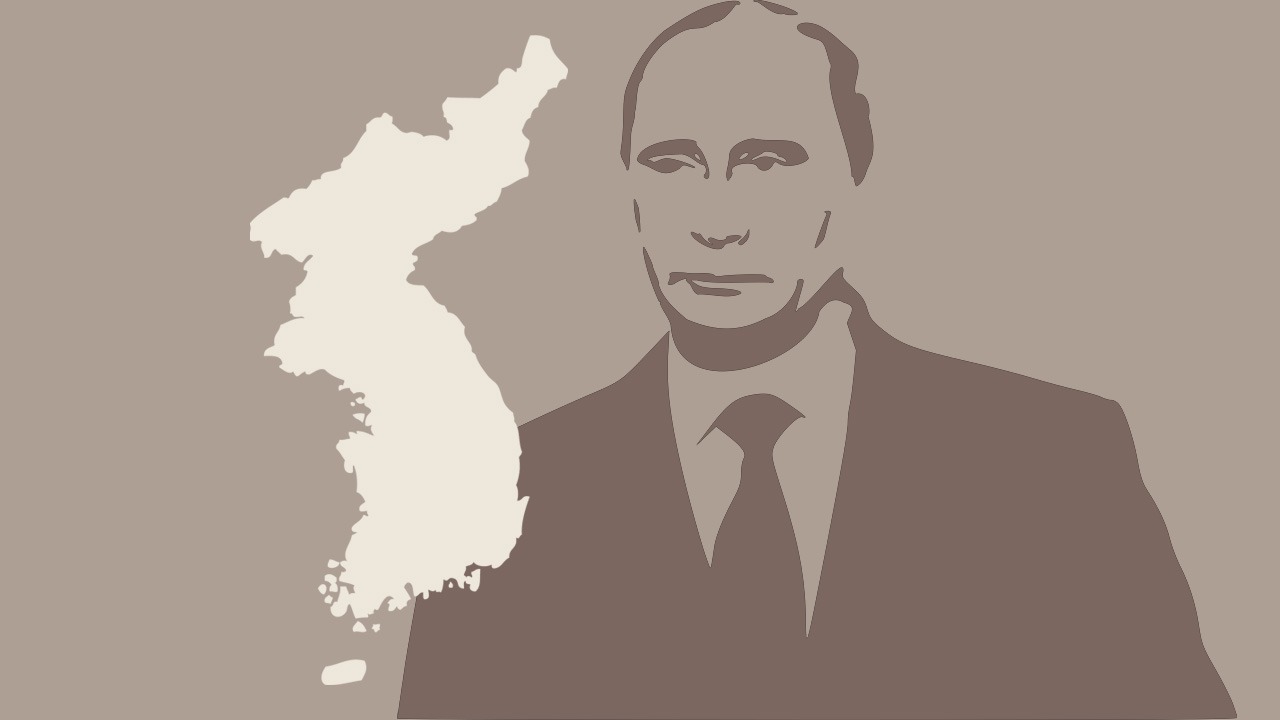
Nuclear Issues on the Korean Peninsula: A Russian View of Prospects and Possibilities
Anton Khlopkov argues that tensions in Northeast Asia risk dragging neighbouring countries into a regional arms race, and that Russia remains cautious of North Korea's nuclear capability.
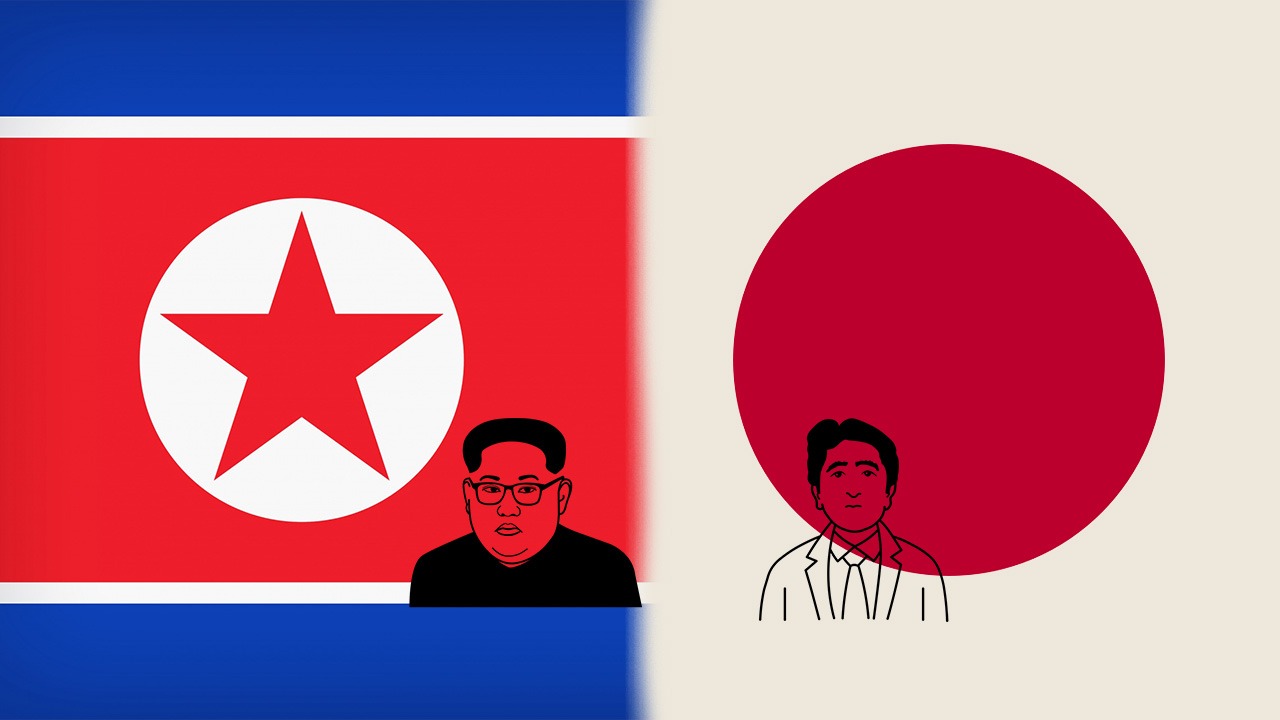
Japan’s “Charlie Brown” Dilemma vis-à-vis the North Korean Nuclear Crisis
"This time it may be true!" -- Under increasing pressure from North Korea, Japan faces a dilemma: continue in hopes of finding a diplomatic solution, or acquire their own nuclear weapon capability?
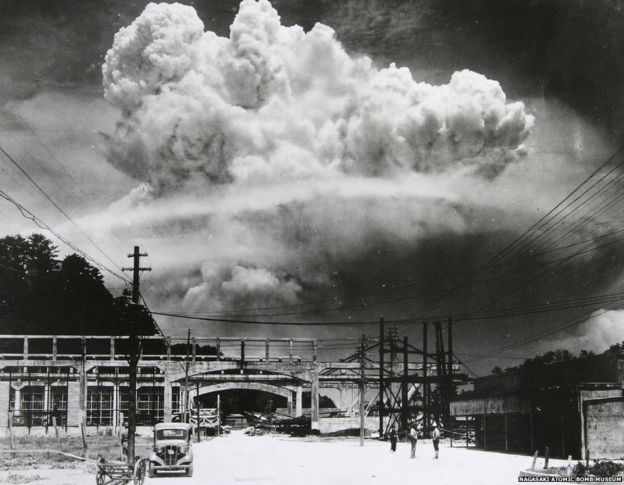
A Nuclear Weapons Ban: Finding Common Ground
The UN General Assembly attempted another round of negotiations in looking to eventually eliminate nuclear weapons outright. Some argue that this would enrage, not engage, nuclear weapon states.
The Nuclear Gyre in South Asia and Beyond
Both the Sino-Indian rivalry and the Indo-Pakistani rivalry have potentially destabilizing effects for South and East Asia. The impasse in all three states continues to expand.
Nuclear Weapon States and the Southeast Asia Nuclear-Weapon-Free Zone
New incentives for nuclear weapon states in the Asia-Pacific has Southeast Asian countries eager to ratify disarmament protocol.

Asia-Pacific Strategic Nuclear Policy Dialogues 2: Asia’s Four Nuclear-Armed States
'Denuclearization first' has failed. Instead, the Asia Pacific will need to develop new nuclear policy dialogue where it is almost non-existent. A two-part review by David Santoro.
Asia–Pacific Strategic Nuclear Policy Dialogues 1: The United States and Its Allies
Although dialogue is strong between the US and Asia, there is much to be desired between the Asia-Pacific's nuclear-armed states themselves. A two-part review by David Santoro.