
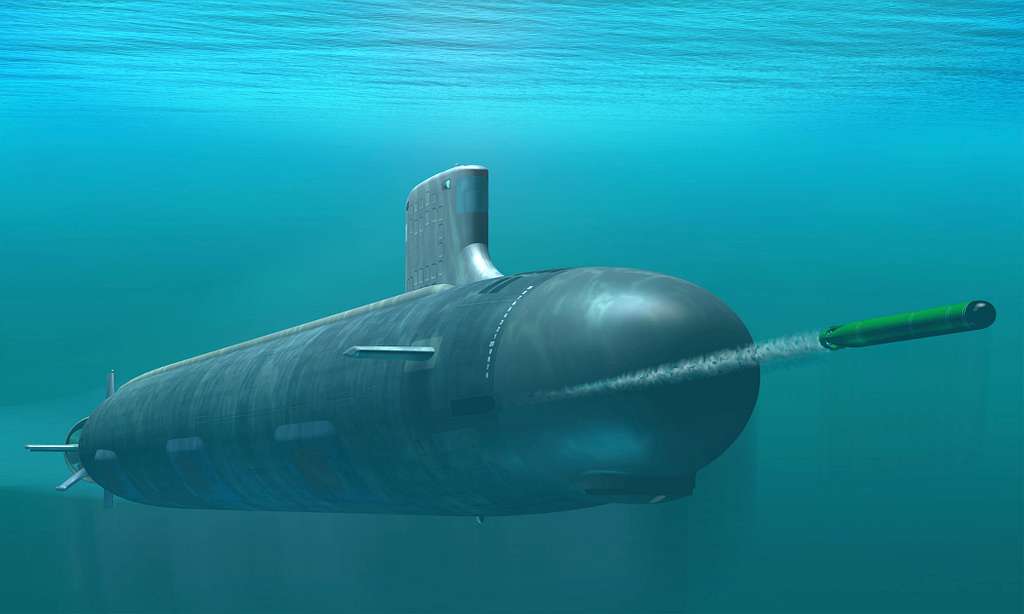
Underwater-Nuclear Nexus in the Asia-Pacific: Nuclear-Powered Submarine Proliferation and Its Consequences
Dongkeun Lee summarises the key findings and policy recommendations of the edited volume "Underwater-Nuclear Nexus in the Asia-Pacific: Nuclear-Powered Submarine Proliferation and Its Consequences".
Analysis

Nuclear Weapons Law and Korea’s Conundrum
Peter Hayes examines the legal ambiguities surrounding nuclear threats and deterrence on the Korean Peninsula and argues that renewed denuclearisation efforts require legally binding international ...
Analysis
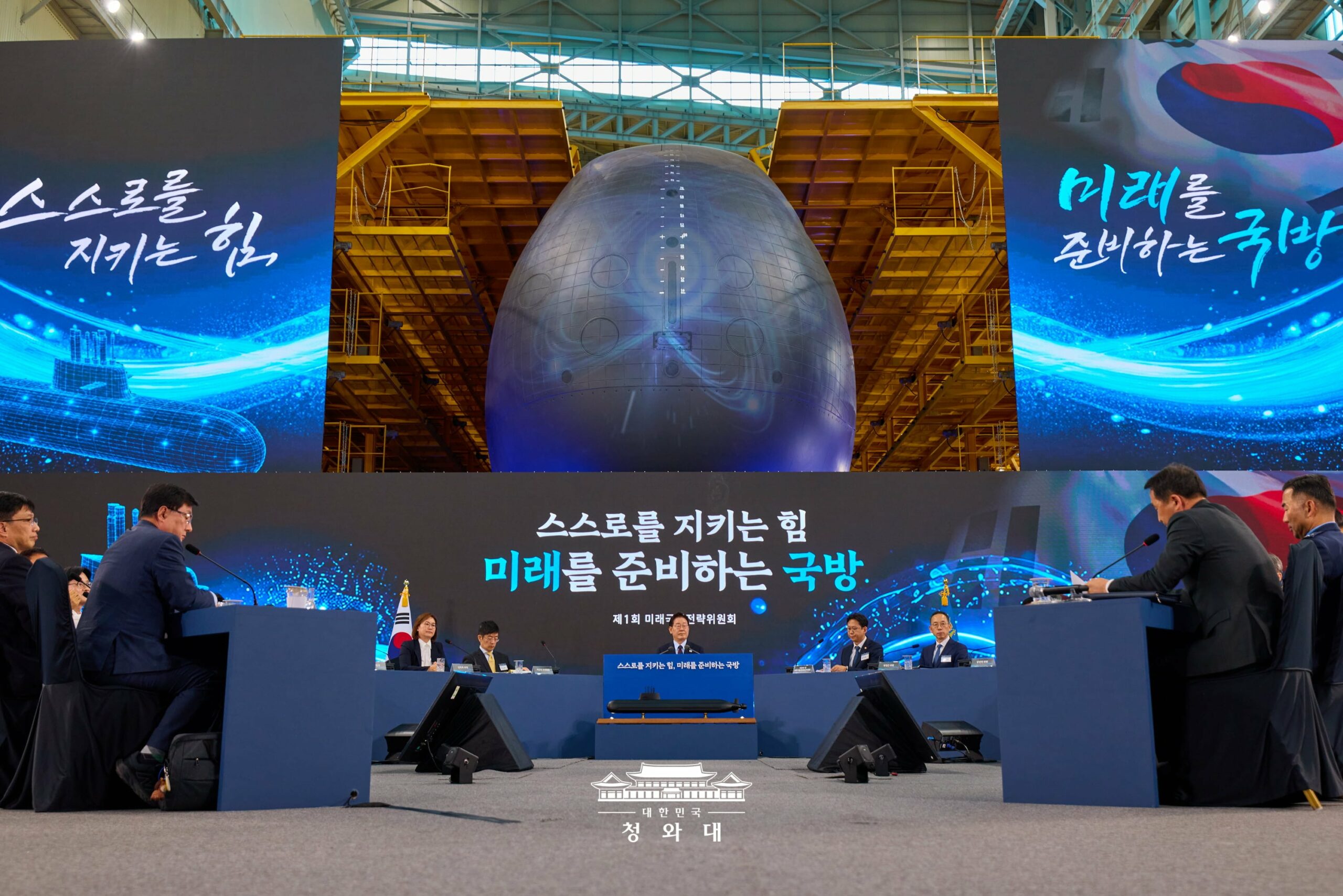
Is it a Nuclear Hedge? Why South Korea Should Reassure About Its Non-Weapons Nuclear ...
Matthew Sharp, Celia McDowall, and Toby Dalton argue that South Korea must demonstrate through concrete reassurance measures that its civilian and defence programmes are not intended to pave the way ...
Analysis
APLN Quarterly Nuclear Memo (July - September 2026)
APLN's Quarterly Nuclear Memo tracks, analyses and summarises nuclear developments shaping the Asia-Pacific security environment between July-September 2026.
Projects

Navigating Quantum Technologies for Undersea Nuclear Risk Reduction: Principles and ...
Ariel Phuphaphantakarn examines how emerging quantum technologies could affect submarine capabilities and what this could mean for nuclear deterrence and escalation risks.
Projects
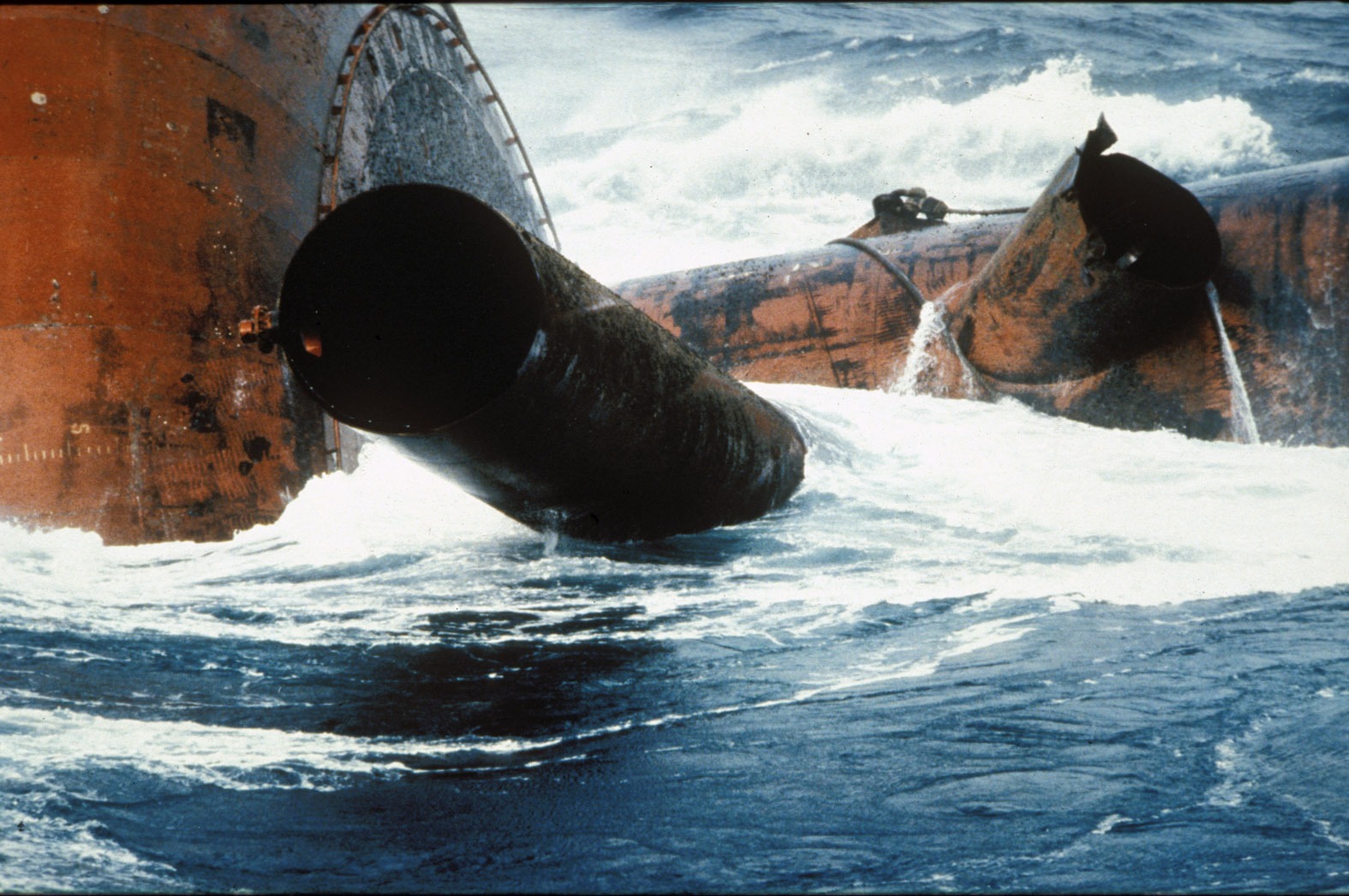
Nuclear-Powered Vessels and Environmental Risks: Closing the Regional Nuclear Emergency ...
Julius Cesar Trajano assesses whether existing ASEAN mechanisms are equipped to respond to a maritime nuclear or radiological emergency.
Analysis
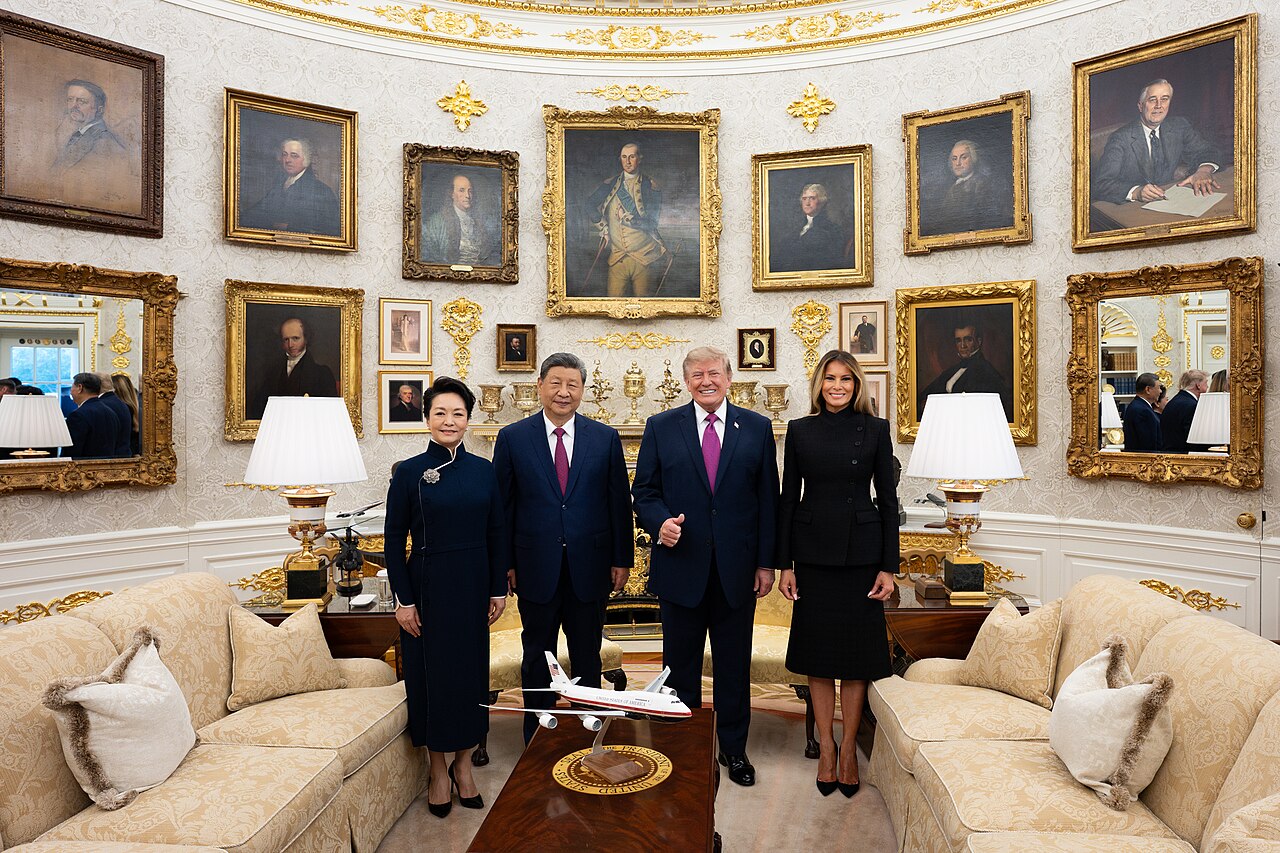
Trump-Xi Summit Diplomacy
Leading experts analyse the Trump-Xi summit in September 2026 and weigh in on whether the two leaders can transform high-level dialogue into a constructive relationship.
Member Activities
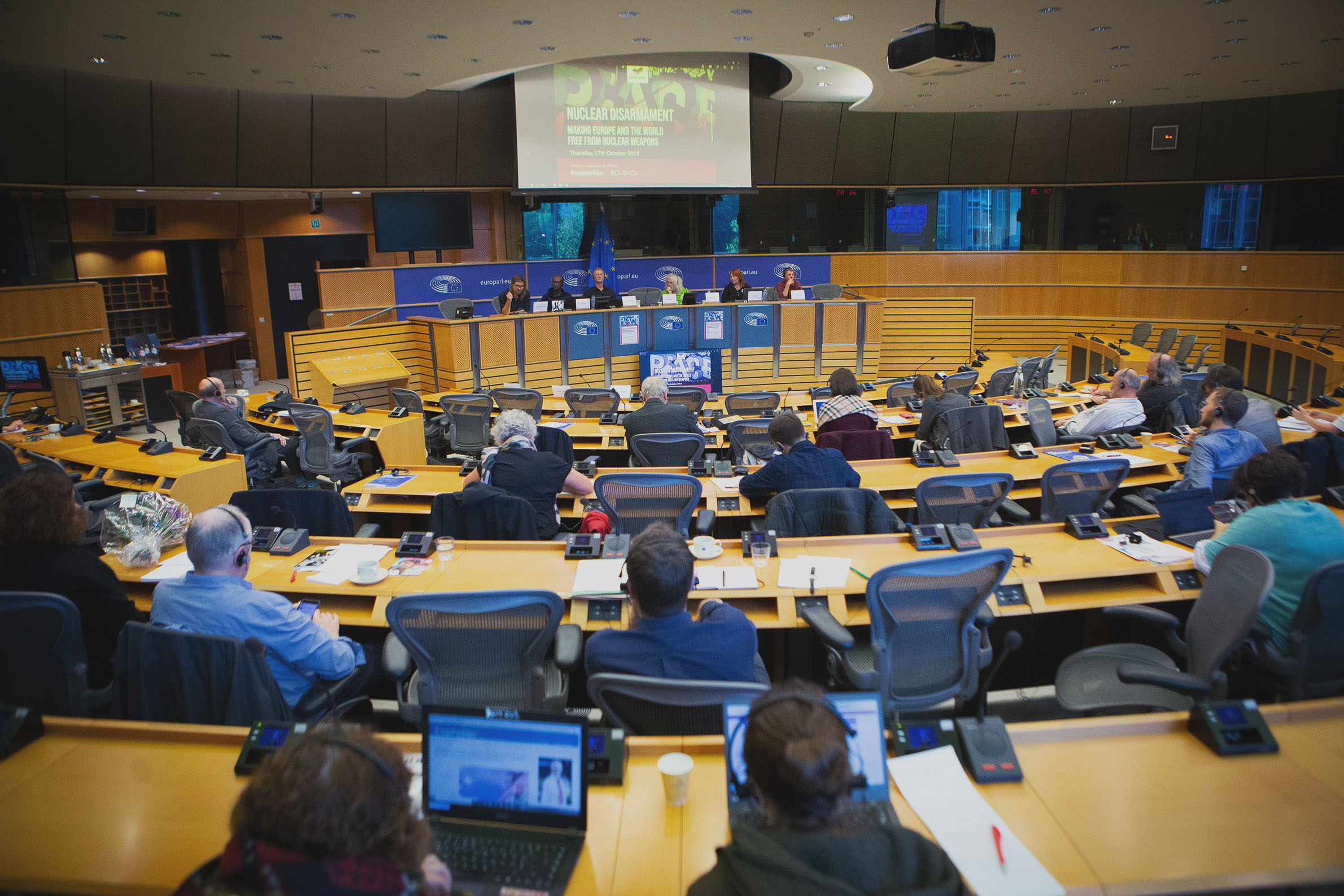
Nuclear Weapons Law Online Course Available Now
The online course on the diverse elements of laws governing armed conflict and the use of nuclear weapons is now available, featuring APLN members Gareth Evans and Peter Hayes as expert lecturers.

Ok, Doomer! podcast: Avoiding accidental armageddon
ELN - APLN Senior Policy Fellow Joel Petersson-Ivre was featured in the Ok, Doomer! podcast, where he discussed how nuclear fail-safe reviews can reduce the risk of nuclear use.
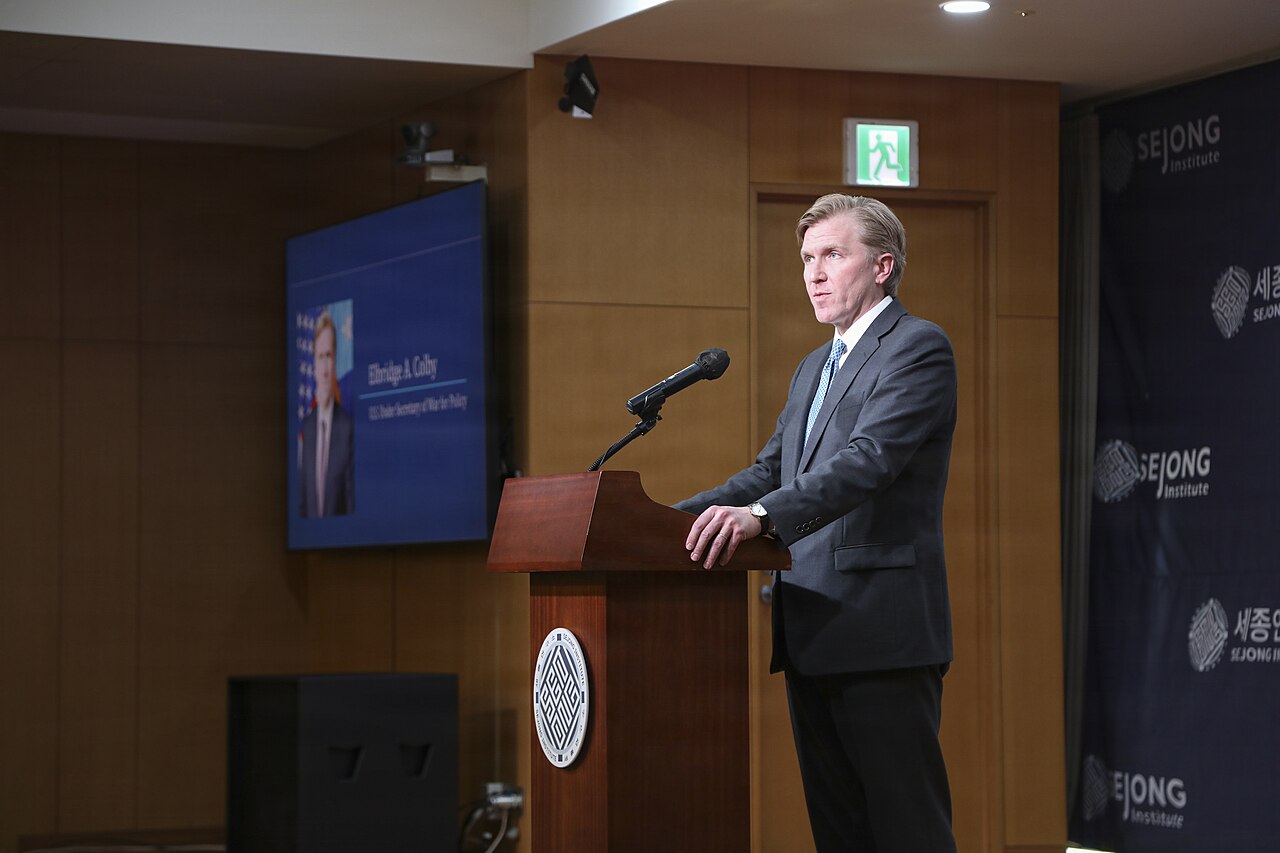
Does the US deserve allies’ trust?
HANKYOREH - APLN Vice Chair Chung-in Moon called for greater US credibility through preventive diplomacy and confidence-building measures.
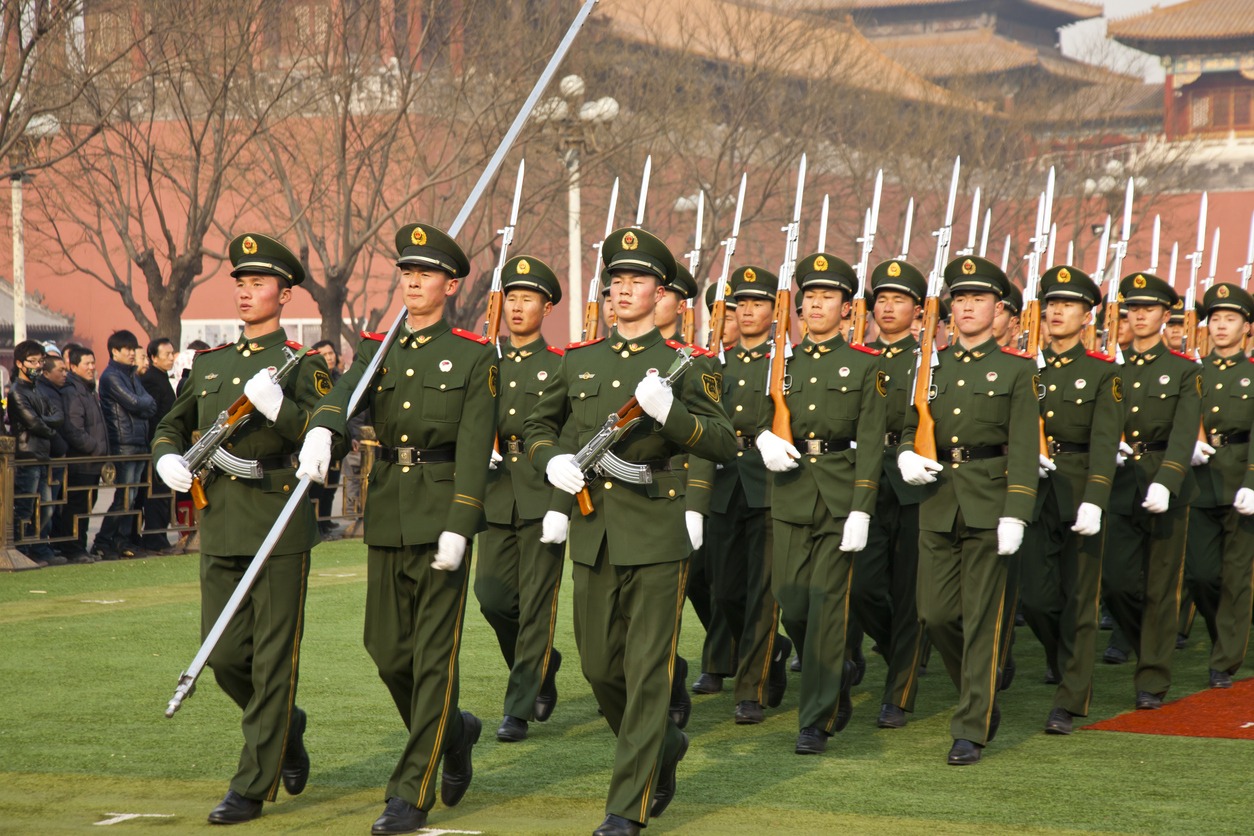
China’s New Nuclear Game: How India Should Play It
INDIA'S WORLD - APLN Senior Research Adviser Manpreet Sethi examined how the shift in Beijing’s deterrence strategy is steadily reshaping the regional landscape.