
The Korea Times Column
APLN publishes the APLN-Korea Times column in cooperation with the oldest daily English newspaper in Korea, featuring analysis by APLN network members and experts.

Nuclear Weapons Law and Korea’s Conundrum
Peter Hayes examines the legal ambiguities surrounding nuclear threats and deterrence on the Korean Peninsula and argues that renewed denuclearisation efforts require legally binding international ...
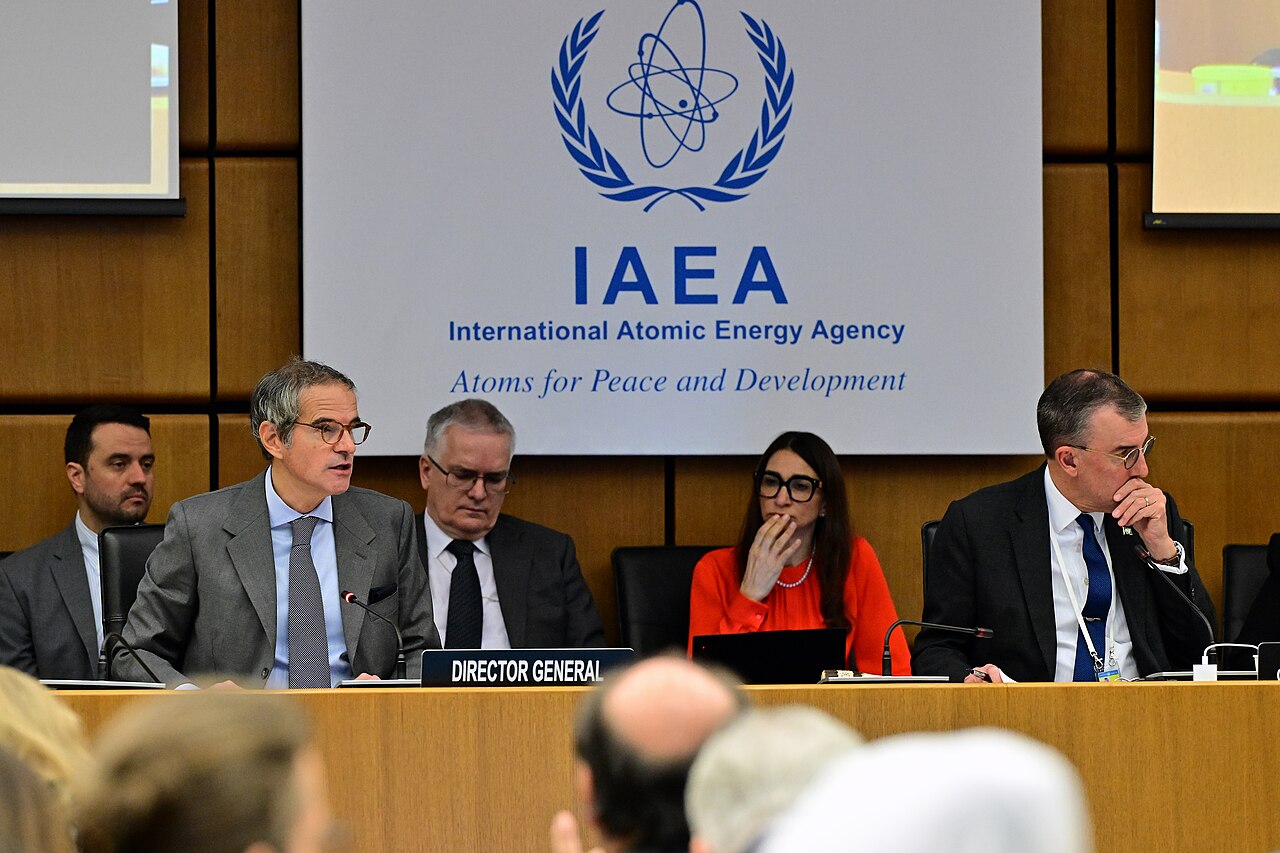
Funding Crisis Leaves UN Nuclear Watchdog Begging for Resources
John Carlson and John Tilemann call for IAEA member states to ensure full and timely funding, particularly from its largest contributors.

Nuclear Faultlines and South Korea’s Choices
Salma Malik examines how the military use of AI could further increase the risk of miscalculation and escalation, and calls on ROK to lead efforts to build regional norms.
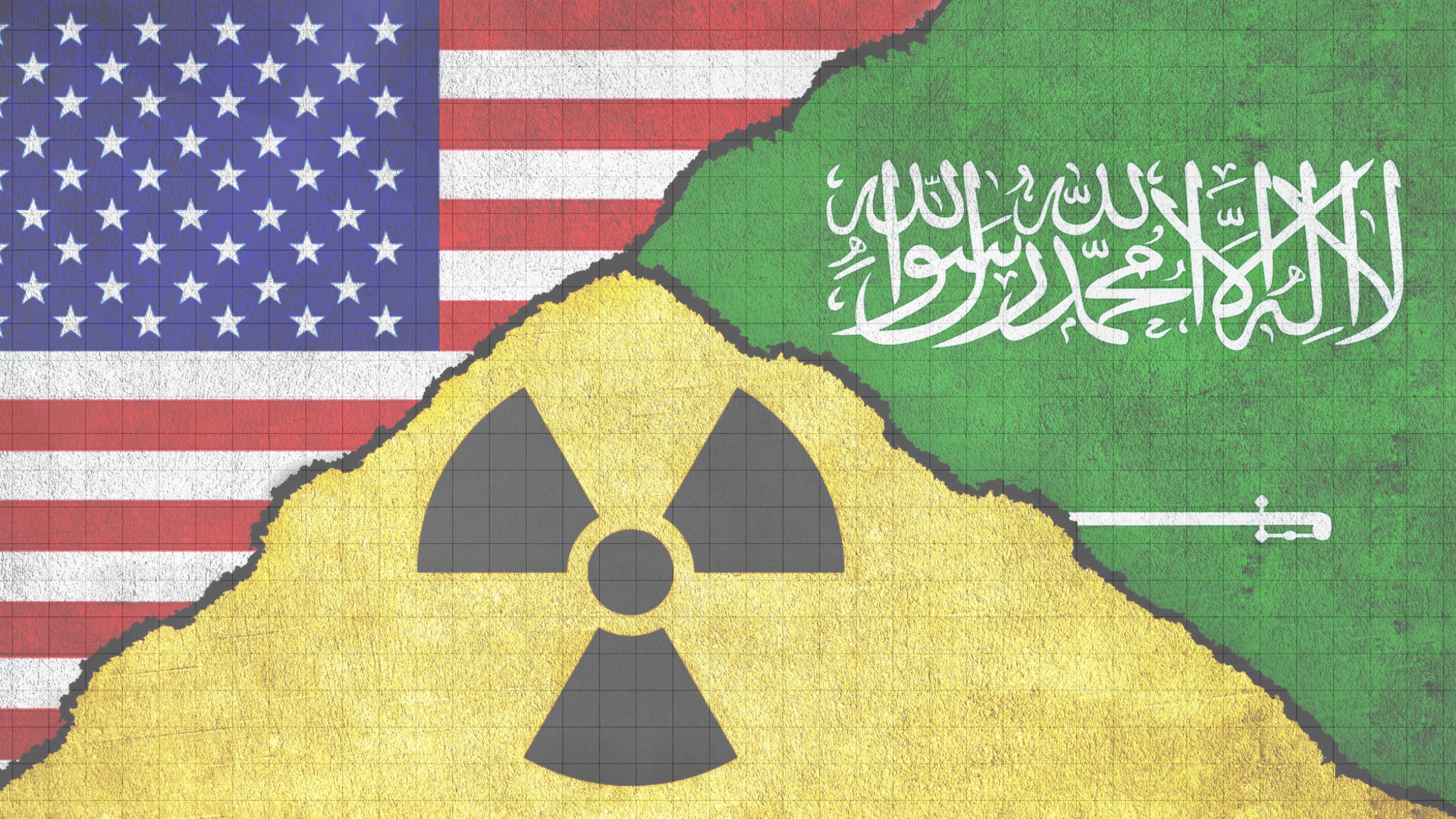
Nuclear Safeguards Must Be Strengthened, Not Compromised
John Carlson argues that the US–Saudi nuclear agreement weakens global nonproliferation efforts and calls on countries to strengthen international nuclear safeguards.

Seven Lessons to Escape a World in Disorder
Gareth Evans argues that today’s disorderly international system, marked by weakening institutions and rising geopolitical conflict, may still be reversible.
More Coordinated Efforts Needed to Reduce Nuclear Weapons
Marianne Hanson examines the systemic unravelling of the NPT, arguing that the treaty cannot survive in a healthy form unless nuclear-weapon states reverse their strategic escalation and restore the ...
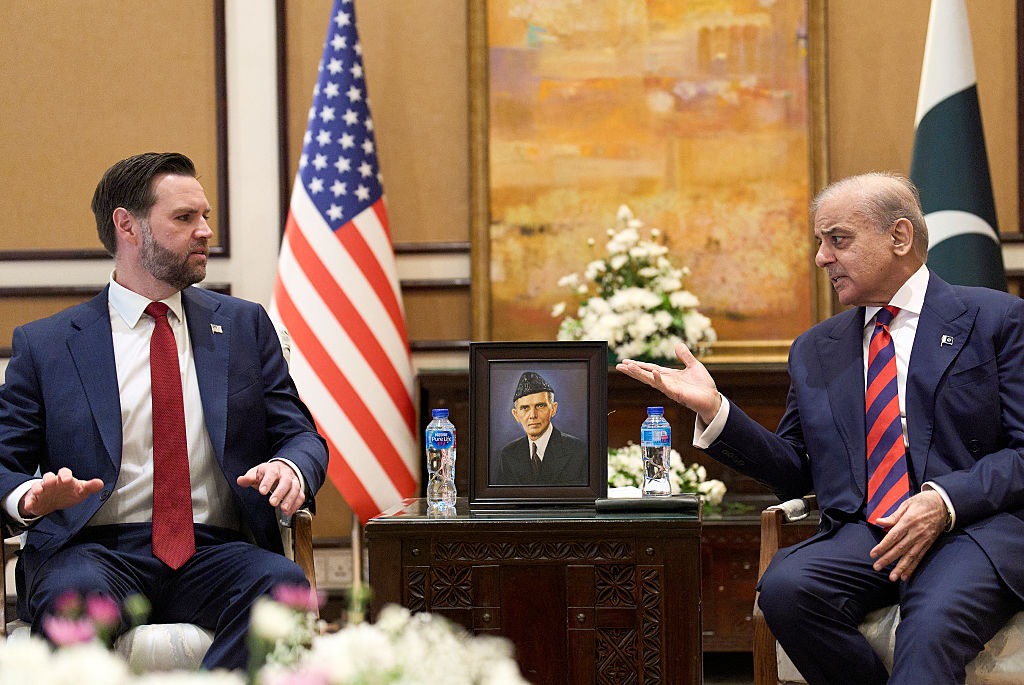
Middle East Conflicts’ Implications for Two Koreas
Carlos Sorreta argues that armed conflict in West Asia has inadvertently validated North Korea's nuclear ambitions and spurred a potential arms race in the Asia-Pacific.
Time for Strategic Dialogue on Great Power Threats to Peace and Security
Kazuko Ito urges nations to replace strategic over-reliance on the US with resilient multilateral security partnerships to safeguard global peace from superpower overreach.

Mayday, Mayday: It’s 85 Seconds to Midnight
Manpreet Sethi highlights that the Doomsday Clock’s move to 85 seconds to midnight signals an unprecedented level of existential risk.

2026 Signals Critical Moment to Preserve Nuclear Order
Shatabhisha Shetty warns that ahead of the 2026 NPT Review Conference, Asia-Pacific states must rebuild confidence in disarmament, reaffirm the role of nuclear-weapon-free zones, and collectively ...