
Arms Control
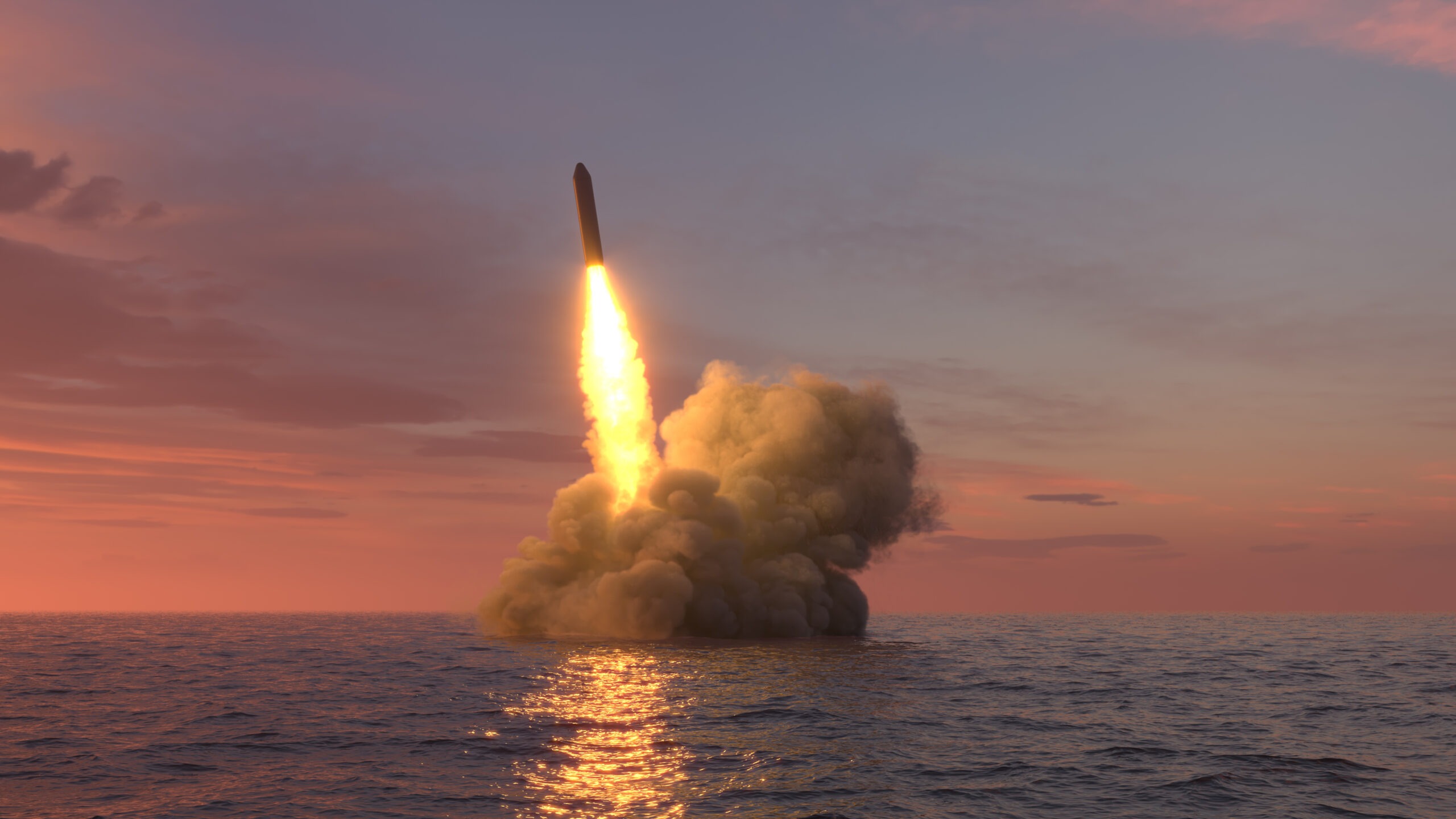
Missile Controls in East Asia
Tanya Ogilvie-White and Tanvi Kulkarni argue for a robust, collaborative security-building approach to constrain the burgeoning missile race.

Emerging Technologies and Nuclear Stability
Marina Favaro uses machine learning to identify the emerging technologies that are most likely to escalate a crisis past the nuclear threshold.

Putin-Biden Summit – A Blend of Realism and Hope
INDIA NARRATIVE - APLN Board member Manpreet Sethi analyzes the Biden-Putin Summit, focusing on the promise it holds globally and for India.

Australia, Hypersonic Weapons & Arms Control in the Asia-Pacific
Tanya Ogilvie-White examines the implications of Australia’s hypersonic weapons developments and suggests the need for dialogue and arms control.

Revisiting the Case for No First Use of Nuclear Weapons
THE BULLETIN - APLN Chair Gareth Evans argues that there is a long way to go in achieving a safer nuclear-weapons-free world, but getting nuclear-armed states to embrace NFU would be a place to start.

Time for global No-First-Use policies - Asia/Pacific webinar
A webinar exploring No-First-Use policies, their contribution to nuclear risk-reduction and disarmament, and new possibilities for their adoption by additional nuclear-armed and allied states.

The Case for No First Use of Nuclear Weapons
APLN Chair Gareth Evans analyzes the NFU policy and assesses the feasibility of universal buy-in of said strategy among the world's nine nuclear-armed states.
Security Council Resolution 1540 (2004): Significance and Gaps
Masahiko Asada assesses the relevance of the UNSC's Resolution 1540 today, and how well it still holds up as a measure against the non-proliferation of nuclear arms.

Boris Johnson Risks a Nuclear Rift With Joe Biden
THE TIMES - Ernest J. Moniz and Des Browne respond to the UK government's announcement on policy changes that go against the Biden administration's global commitment to reduce nuclear risks.
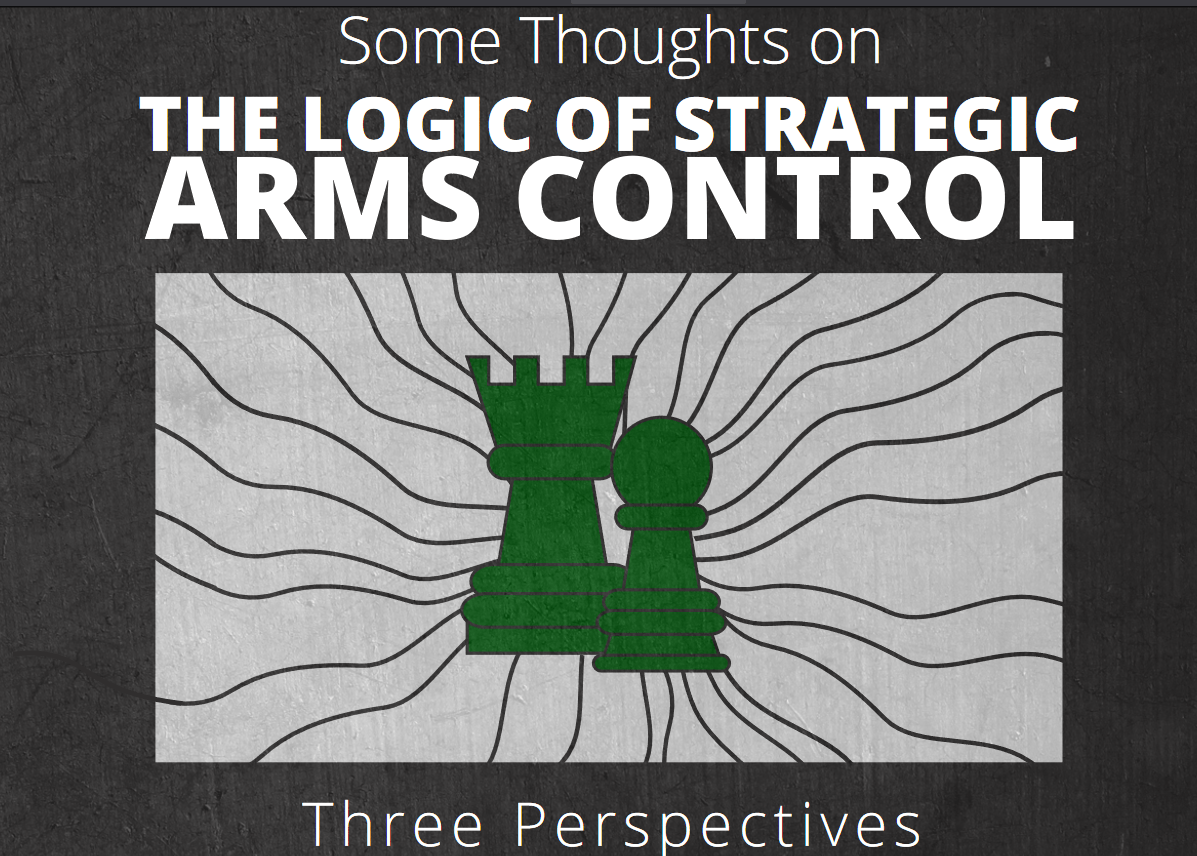
Perspectives on the Logic of Strategic Arms Control
UNIDIR - APLN member Tong Zhao shared his analysis in UNIDIR’s Dialogue on Nuclear Disarmament, Deterrence and Strategic Arms Control.