
Maritime Security
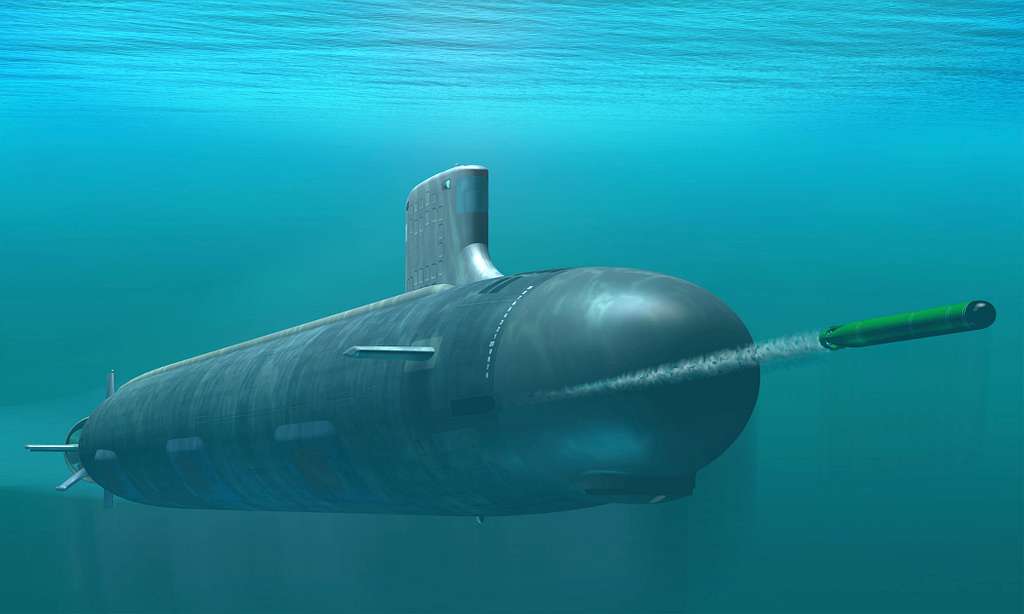
Underwater-Nuclear Nexus in the Asia-Pacific: Nuclear-Powered Submarine Proliferation and ...
Dongkeun Lee summarises the key findings and policy recommendations of the edited volume "Underwater-Nuclear Nexus in the Asia-Pacific: Nuclear-Powered Submarine Proliferation and Its Consequences".
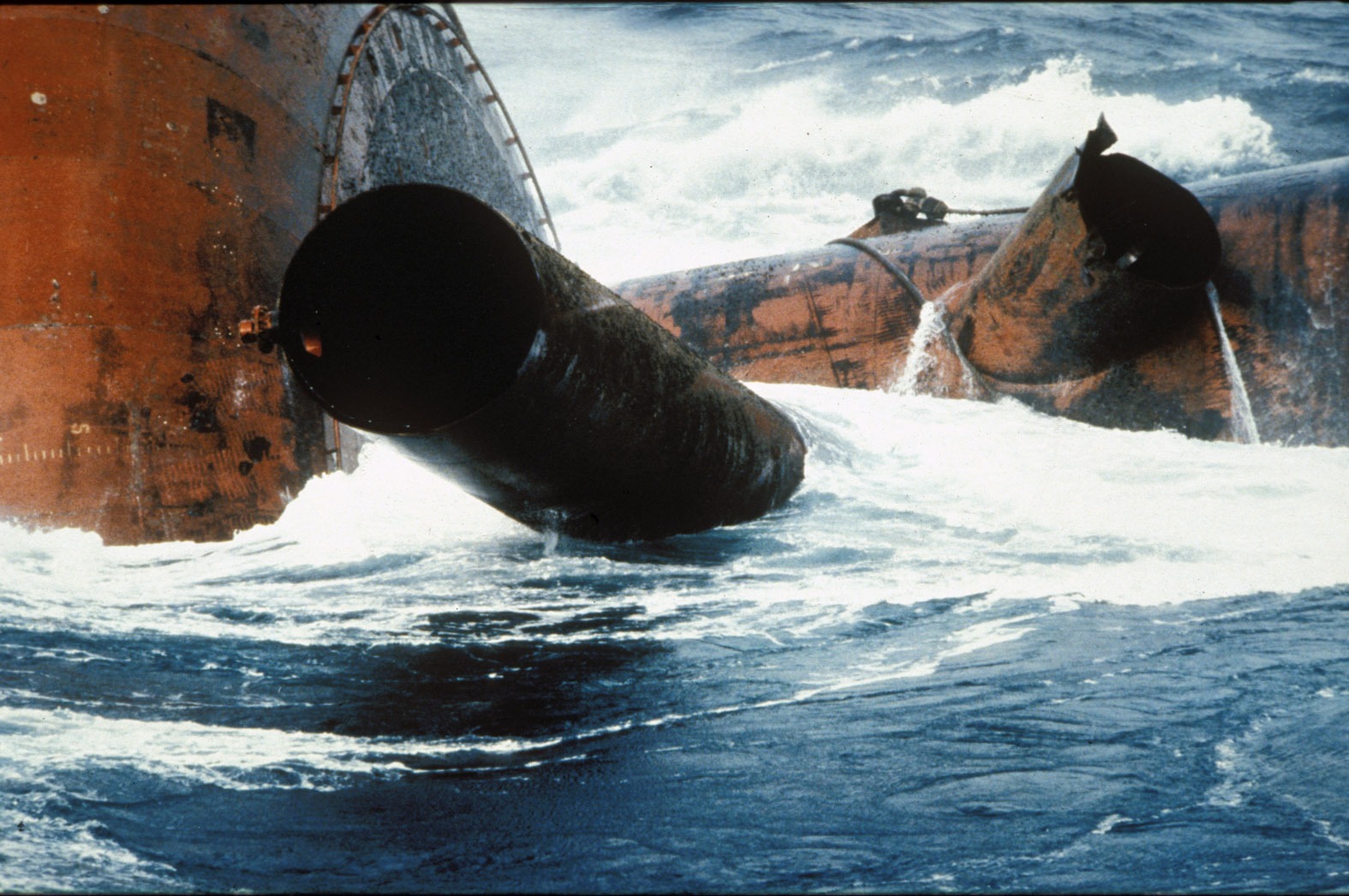
Nuclear-Powered Vessels and Environmental Risks: Closing the Regional Nuclear Emergency ...
Julius Cesar Trajano assesses whether existing ASEAN mechanisms are equipped to respond to a maritime nuclear or radiological emergency.

Navigating Quantum Technologies for Undersea Nuclear Risk Reduction: Principles and ...
Ariel Phuphaphantakarn examines how emerging quantum technologies could affect submarine capabilities and what this could mean for nuclear deterrence and escalation risks.
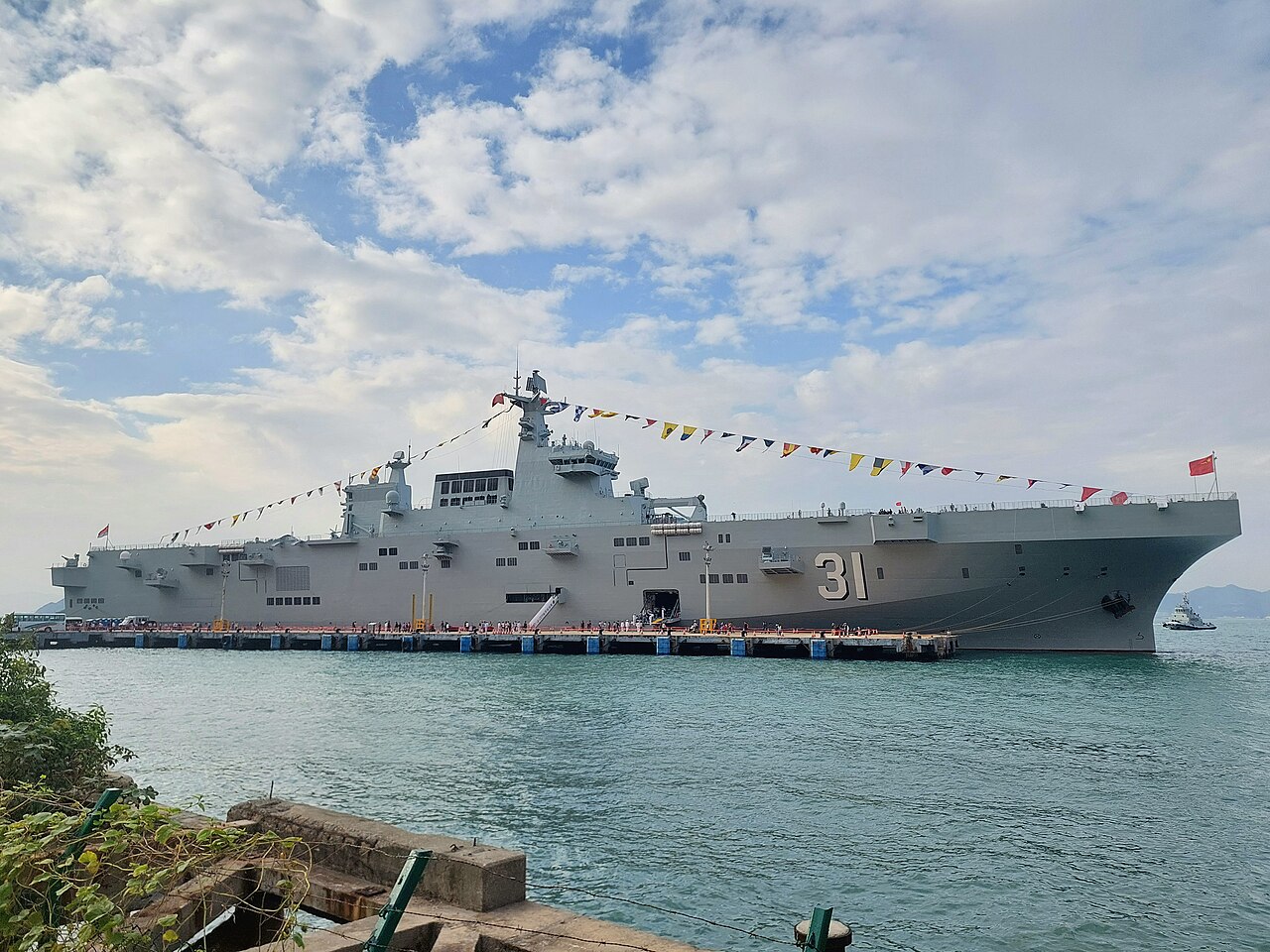
China’s SSBN Fleet and Unintended Escalation Risks in the Asia-Pacific Underwater-Nuclear ...
Joel Petersson Ivre examines China’s approach to the command and control of its sea-based nuclear forces and the risks that could emerge.
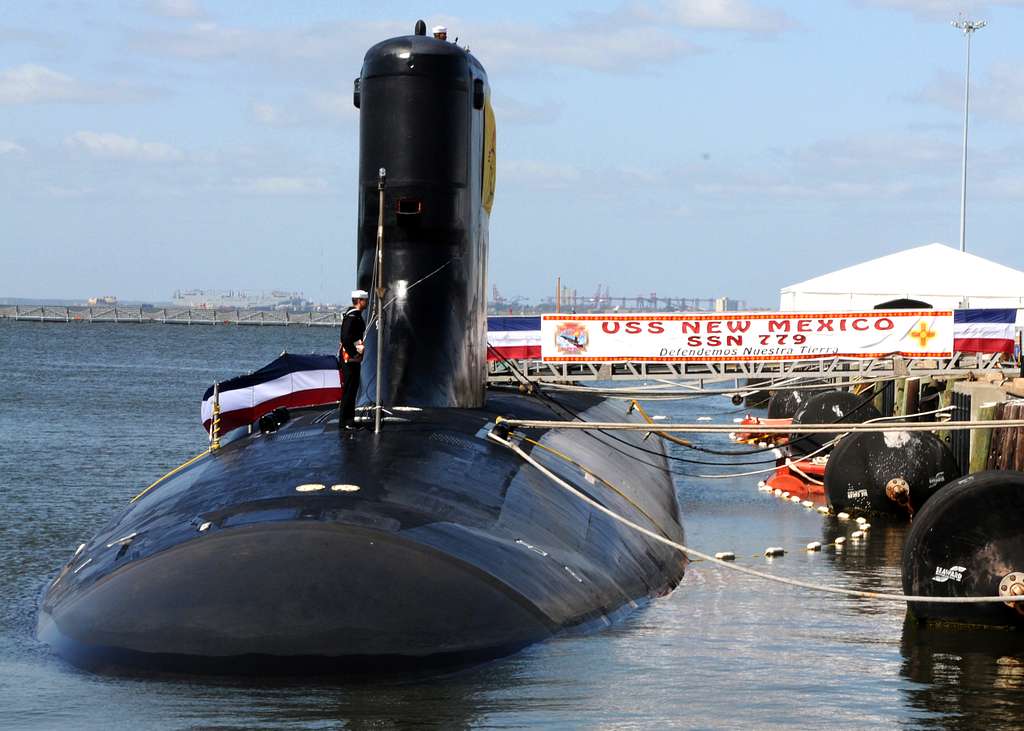
“The Haves,” US and Chinese SSNs in the Asia-Pacific
Dongkeun Lee examines the evolving roles and capabilities of US and Chinese SSNs and assesses how their development could affect the future undersea balance in the Asia-Pacific.
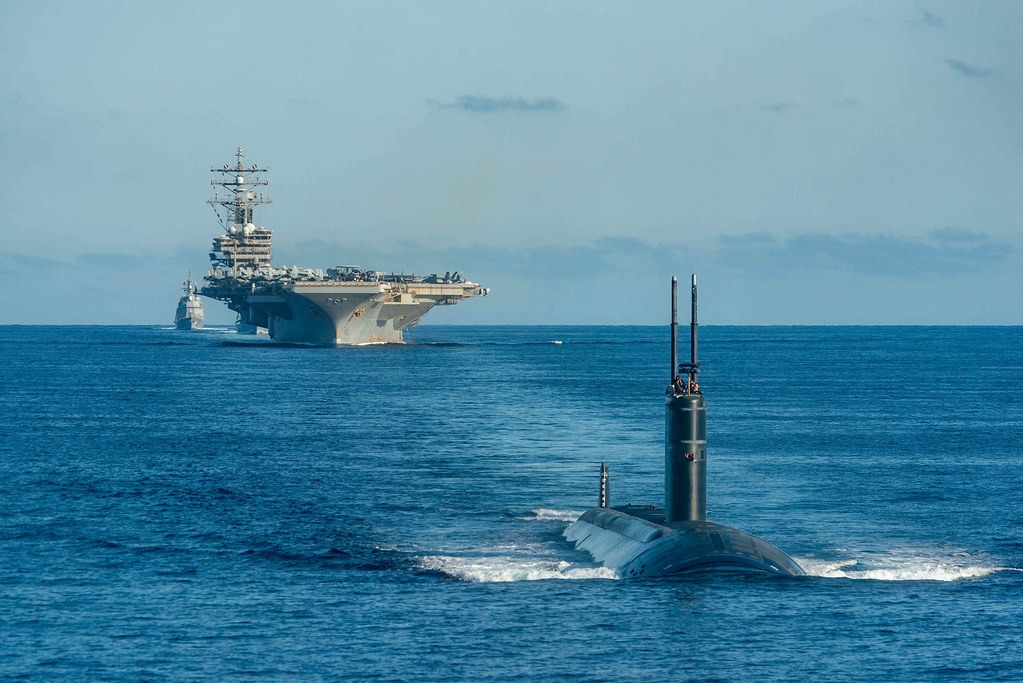
Non-SSN Anti-Submarine Warfare Capabilities of the ROK and Japan
Sanghoe Lee compares the non-SSN anti-submarine warfare (ASW) capabilities of the ROK Navy and the Japan Maritime Self-Defence Force.
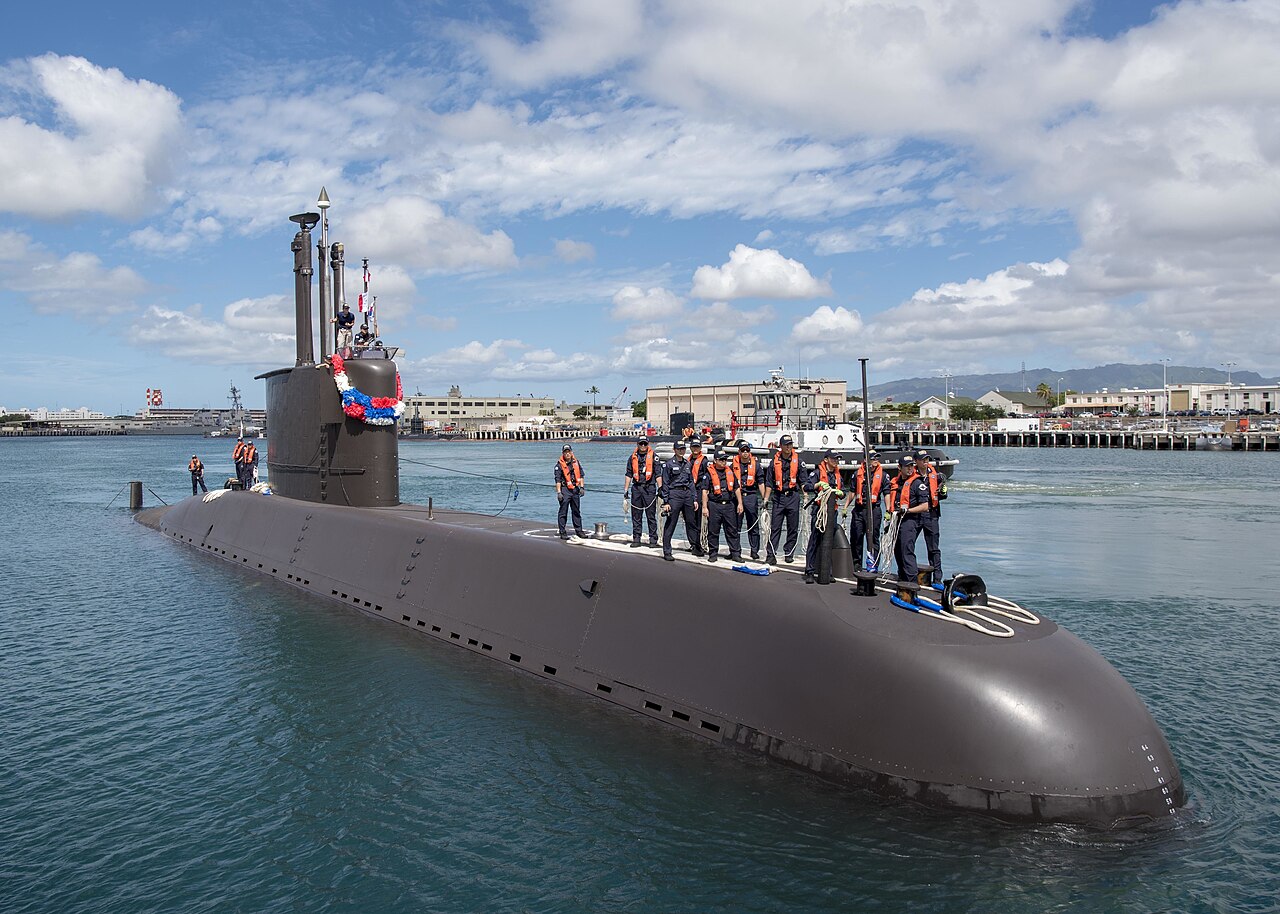
In Pursuit of Nuclear-Powered Submarines: Australia, South Korea, And Japan
Jamie Kwong assesses the drivers, feasibility and risks of naval nuclear propulsion for non-nuclear-weapon states.
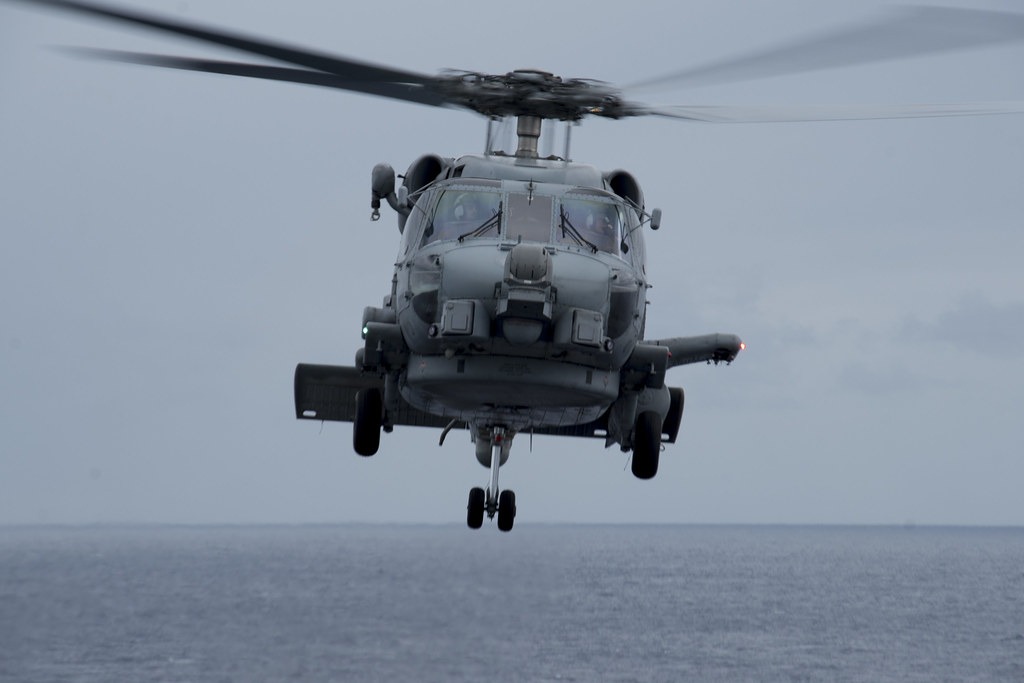
Australia’s Anti-Submarine Warfare Capability in the 2030s
Jennifer Parker argues that Australia's biggest anti-submarine warfare gaps are not the submarines, but the sensors, systems and specialists the debate has overlooked.
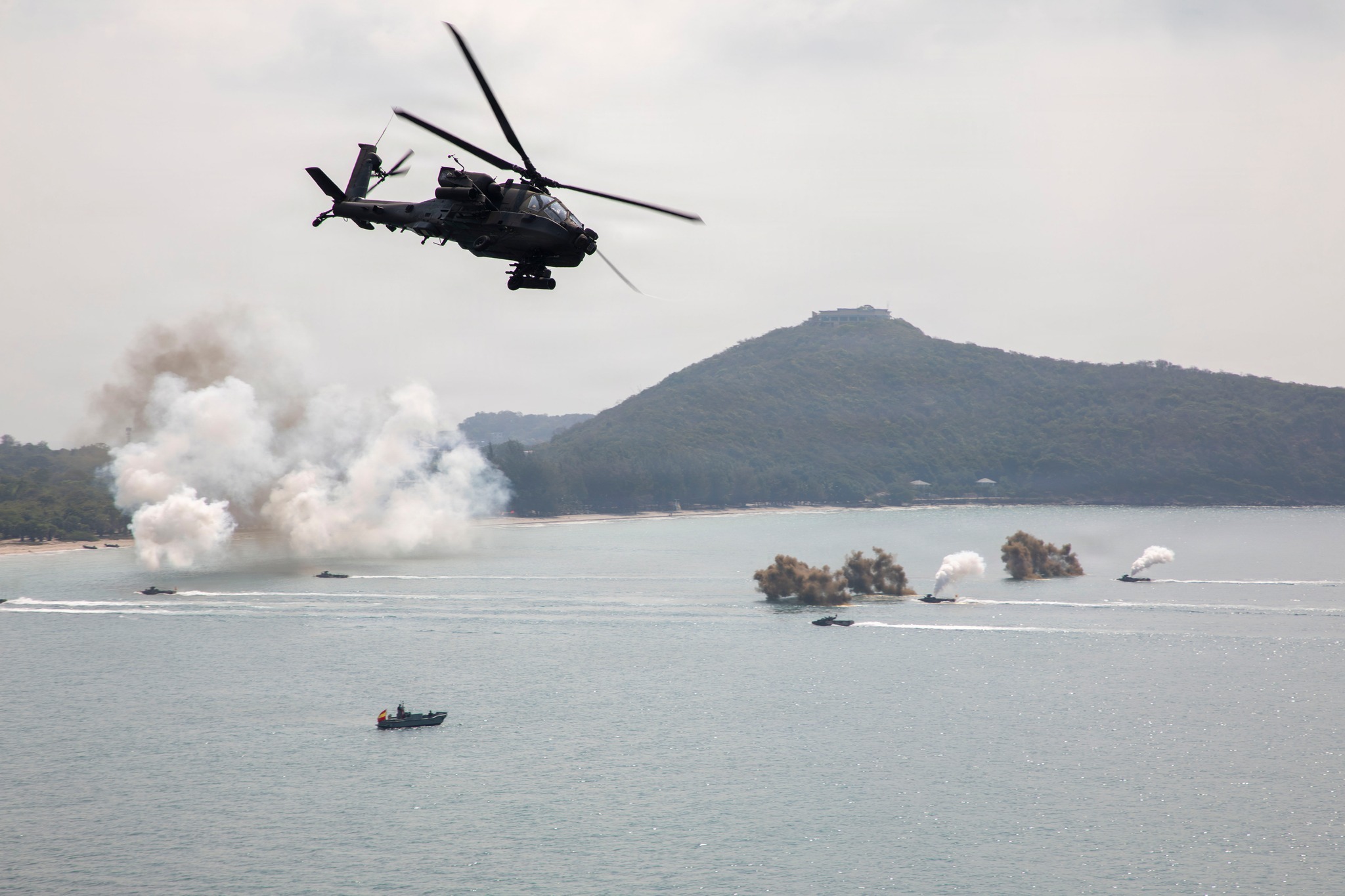
Military Exercises and Security Multialignment in Asia amid US-China Competition
Prashanth Parameswaran assesses the accelerating proliferation of military exercises in Asia, driven by intensifying US–China strategic competition.
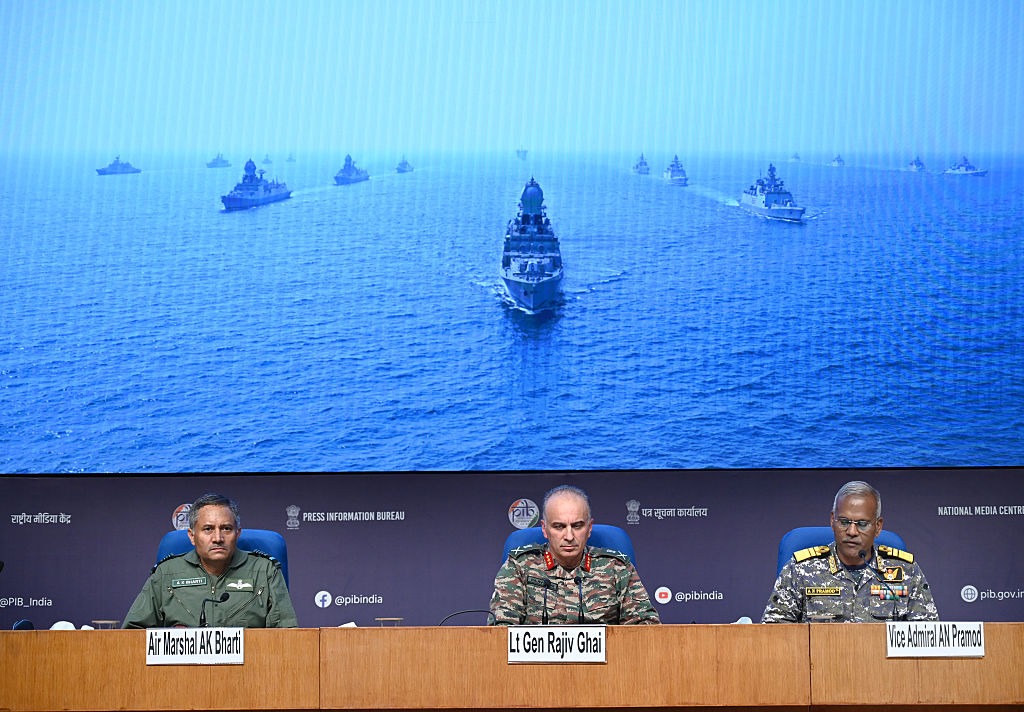
Naval Competition in South Asia and the Limits of Confidence Building Measures
Sudarshan Shrikhande argues that regional stability in South Asia depends less on formal maritime CBMs and more on the strategic judgment of leaders, who must manage a complex "maritime-continental ...