Escalation Dynamics Under the Nuclear Shadow—India’s Approach
Rakesh Sood examines how India and Pakistan have perceived and responded to each other’s nuclear signalling across multiple crises. He argues that, unlike Cold War nuclear rivals, the two South Asian states face unresolved territorial disputes, enduring communal passions, and persistent terrorism, making them especially prone to violent flare-ups and resistant to effective crisis management. While nuclear deterrence has often helped contain escalation once conflict erupts, he warns that the risk of inadvertent escalation remains high due to misperception, emotion-driven decision-making, and the potential misuse or failure of technology.
This paper is published simultaneously by Carnegie Endowment for International Peace here and by the Nautilus Institute here.
About the Project
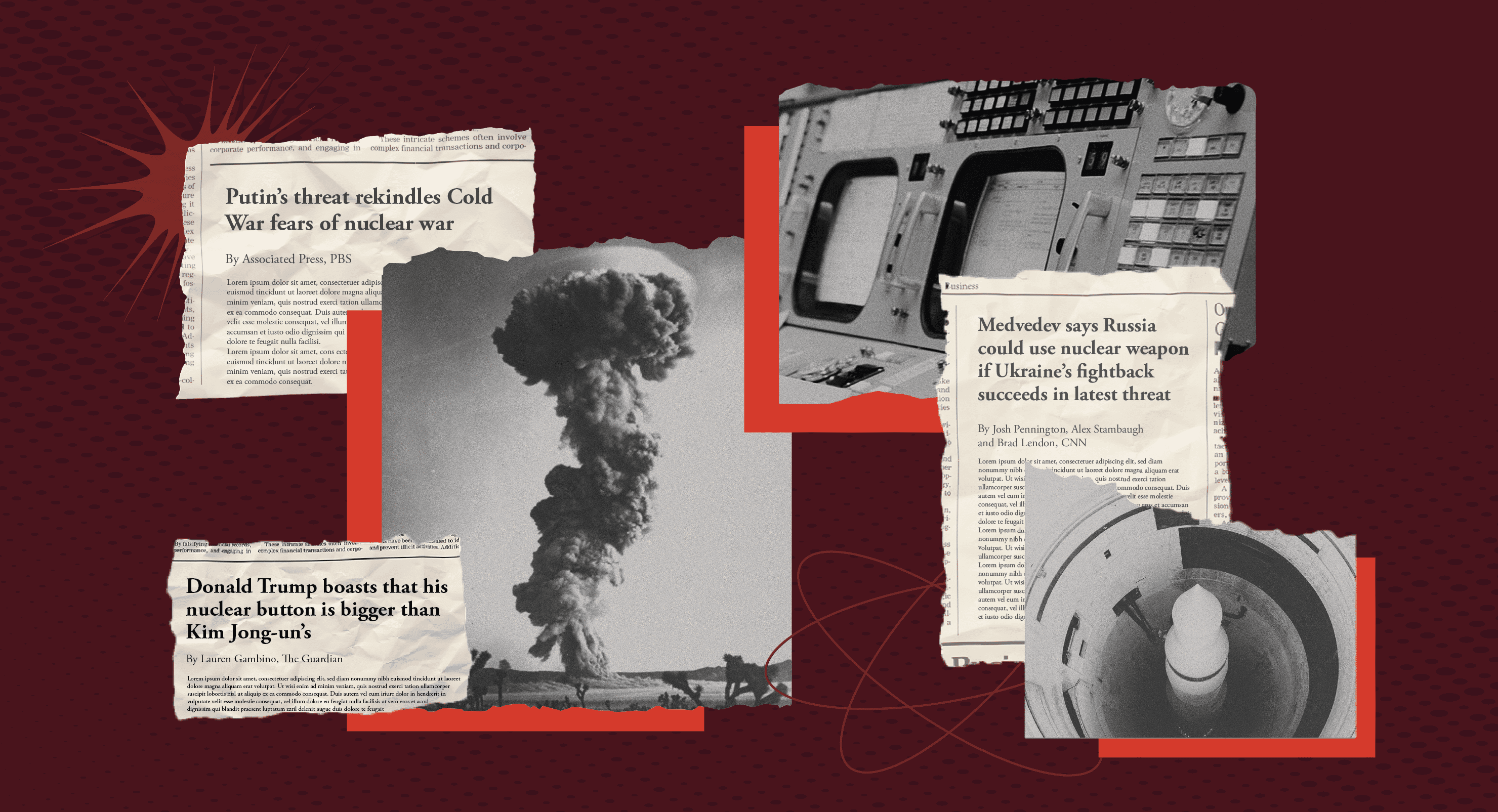
The Assessing Nuclear ‘Threats’ Project: With the support of the Carnegie Corporation of New York, the Nautilus Institute and the Carnegie Endowment’s Nuclear Policy Program have produced four major papers and an Adelphi book on Russia’s war in Ukraine, five India-Pakistan crises or conflicts, and international law and nuclear threat, suggesting that nuclear signaling in the 21st century may be different than during the Cold War.
In collaboration with the Nautilus Institute and the Carnegie Endowment’s Nuclear Policy Program, we are conducting three online seminars with the authors to foster global discussion. Readers are invited to register to attend these events.
Bluff or Death? How to Assess Nuclear “Threats”, Tuesday, February 10, 9–10 AM EST.
- YouTube recording: https://www.youtube.com/watch?v=8TEDEmqJgqU
Nuclear Flashpoint? How Pakistan and India Manage Escalation, February 12, 10-1130am EST, register here
Nuclear Threats and the Limits of International Law, February 23, 7-830pm EST register here
(Note, translation captions are available.)
Acknowledgements
The Nautilus Institute, the Carnegie Endowment for International Peace, and the Asia-Pacific Leadership Network thank the Carnegie Corporation of New York for its support of this project and its ongoing support of public-interest work to prevent nuclear conflict.
About the Author
Rakesh Sood is a former Indian diplomat who has dealt with global and regional strategic issues and national security challenges issues for four decades. He is currently Distinguished Fellow at Council for Strategic and Defence Research, a Delhi based think-tank: a selection of his writings can be found online at https://rakeshsood.in/.
Disclaimer: The opinions articulated above represent the views of the author(s) and do not necessarily reflect the position of the Asia Pacific Leadership Network or any of its members. The APLN’s website is a source of authoritative research and analysis and serves as a platform for debate and discussion among our senior network members, experts and practitioners, as well as the next generation of policymakers, analysts and advocates. Comments and responses can be emailed to apln@apln.network.
Image: Amanda Branom with elements from iStock.