
Special Reports
Special reports are original research conducted by APLN experts in order to explore topics with depth and nuance and to inform policy-making.
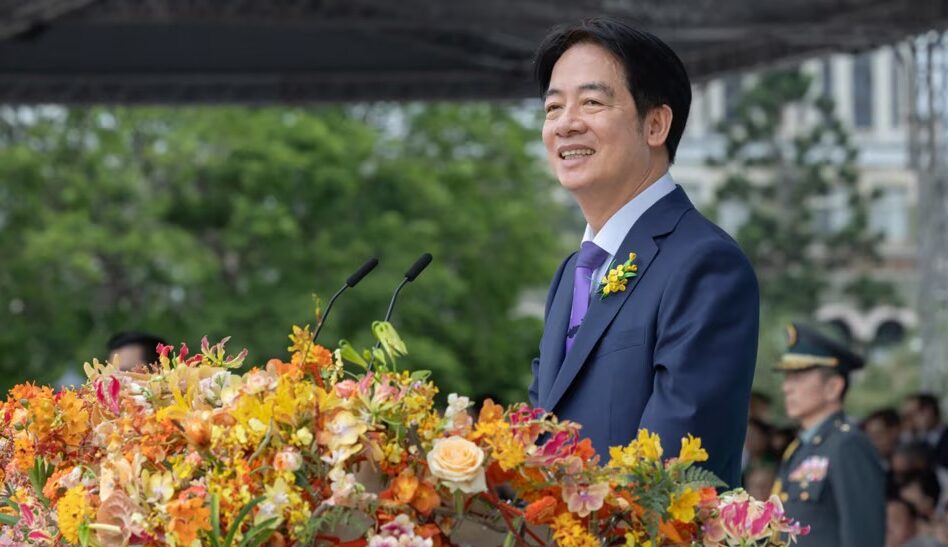
In Defence of the Status Quo: Stabilising Cross-Strait Relations under the Lai Ching-Te ...
Kristy Tsun-Tzu Hsu writes on the evolving cross-strait relations under the Lai Ching-Te administration, examining how Taiwan’s political landscape and public opinion are shaping the island’s future ...

Regional End-States and Beyond: Asia-Pacific views on the China-US relationship and ...
APLN summarises the first year of the Asia Dialogue on China-US Relations in a report that analyses regional preferences for US and Chinese primacy in the region.
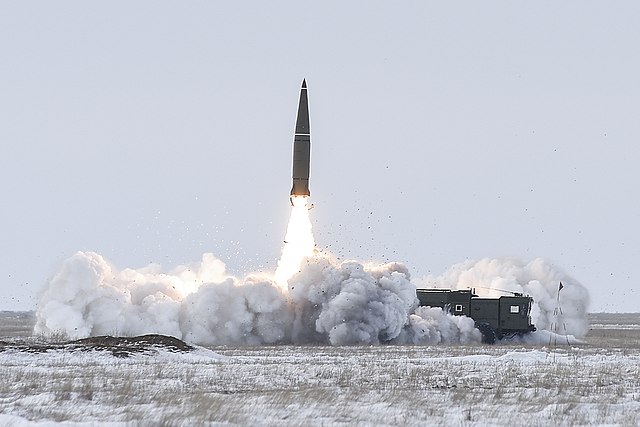
Nuclear-Conventional Entanglement in Northeast Asia: The Case for Crisis Management ...
In this report, Benjamin Zala surveys the growing nuclear-conventional entanglement risks in Northeast Asia as well as how entanglement is driving a new era of nuclear arms racing in response.
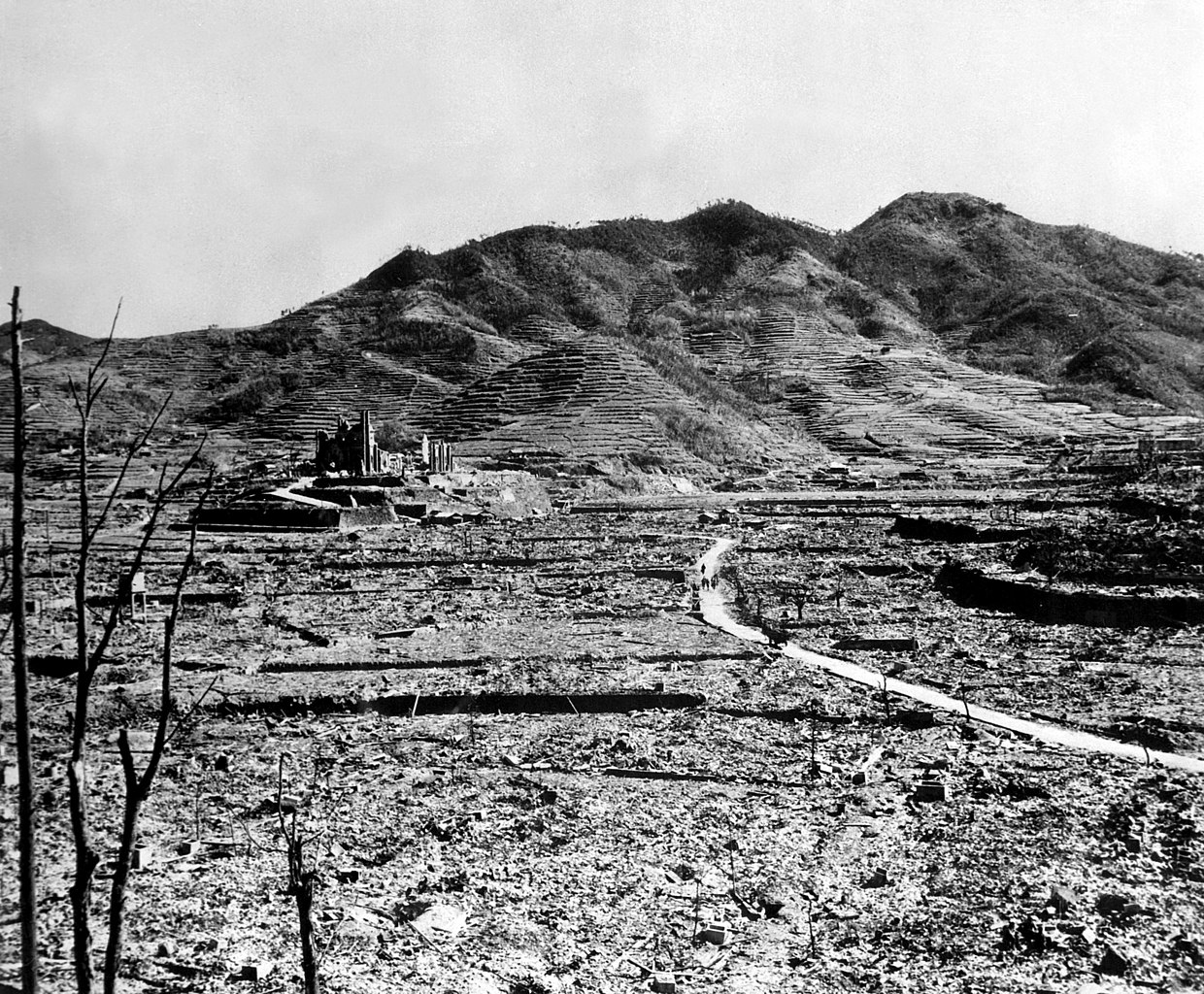
The Political Reckoning in a Post-Nuclear Use Landscape
Rabia Akhtar provides a comprehensive analysis of the multifaceted challenges posed by nuclear weapons in Northeast Asia and offers valuable insights for crafting a more secure global environment.
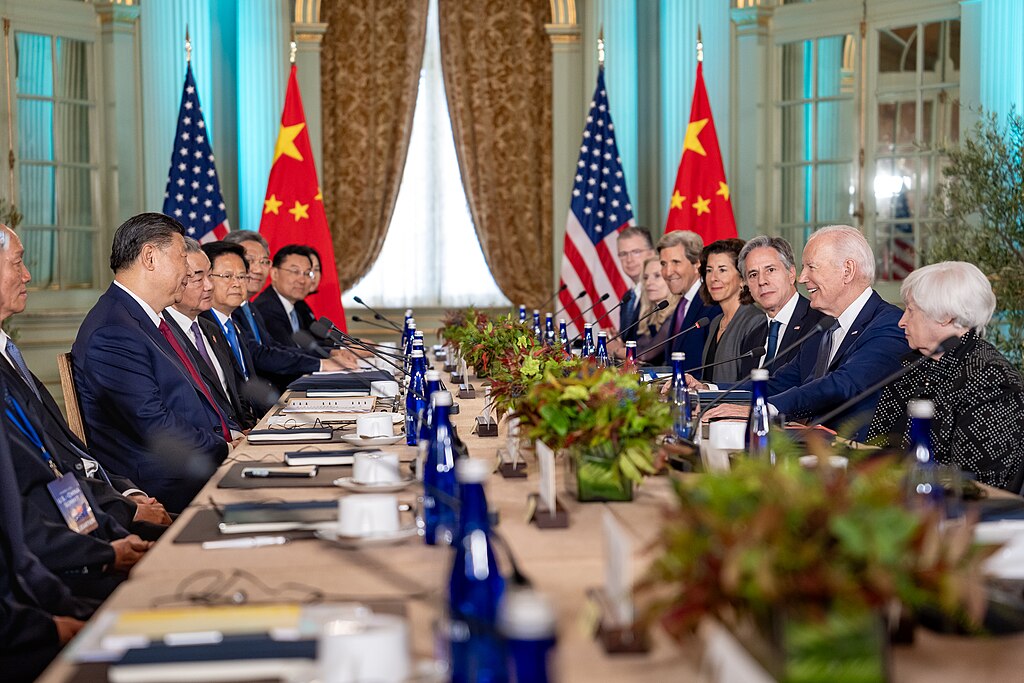
No First Use Can Still Help to Reduce US-China Nuclear Risks
Adam Mount argues that although no first use declaratory statements are unlikely to significantly affect US-China nuclear crises, they can still play an important role in reducing risks between the ...
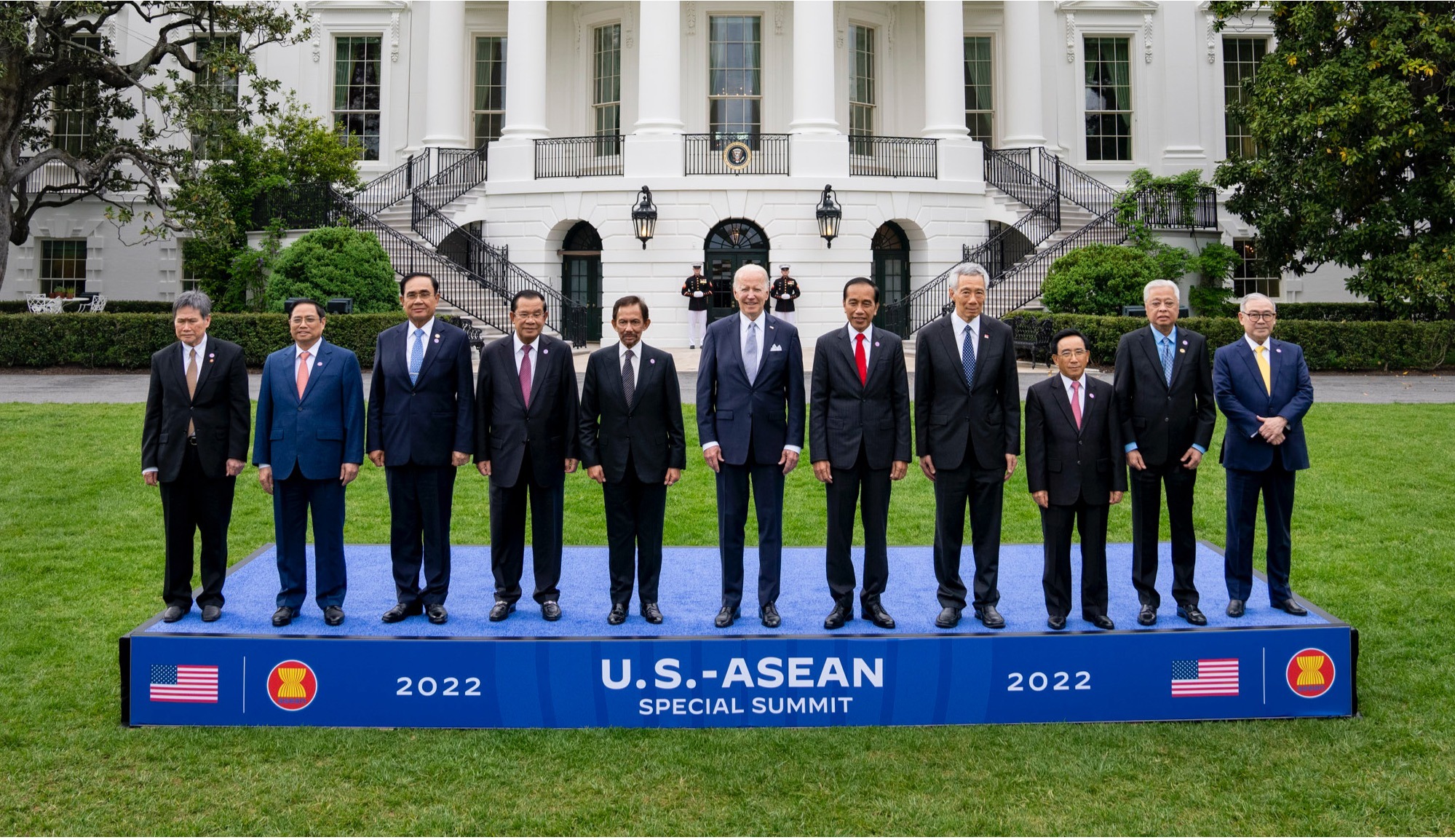
The United States: An Increasingly Incidental Provider of Regional Stability in the ...
Piper Campbell provides recommendations on how the United States and countries of Southeast Asia can pursue regional stability in a changing security environment.

Navigating Nuclear Legacies, Climate Change, and Geopolitics in the Pacific Islands
Tanvi Kulkarni and Elaine Natalie highlight the Pacific Islands' struggle with existential threats from nuclear tests, climate change, and geopolitical tensions.

East Asia’s Alliance Dilemma: Public Perceptions of the Competing Risks of Extended ...
Lauren Sukin and Woohyeok Seo use surveys conducted in Australia, ROK, Japan, Taiwan, and Indonesia to explore trends in nuclear attitudes.
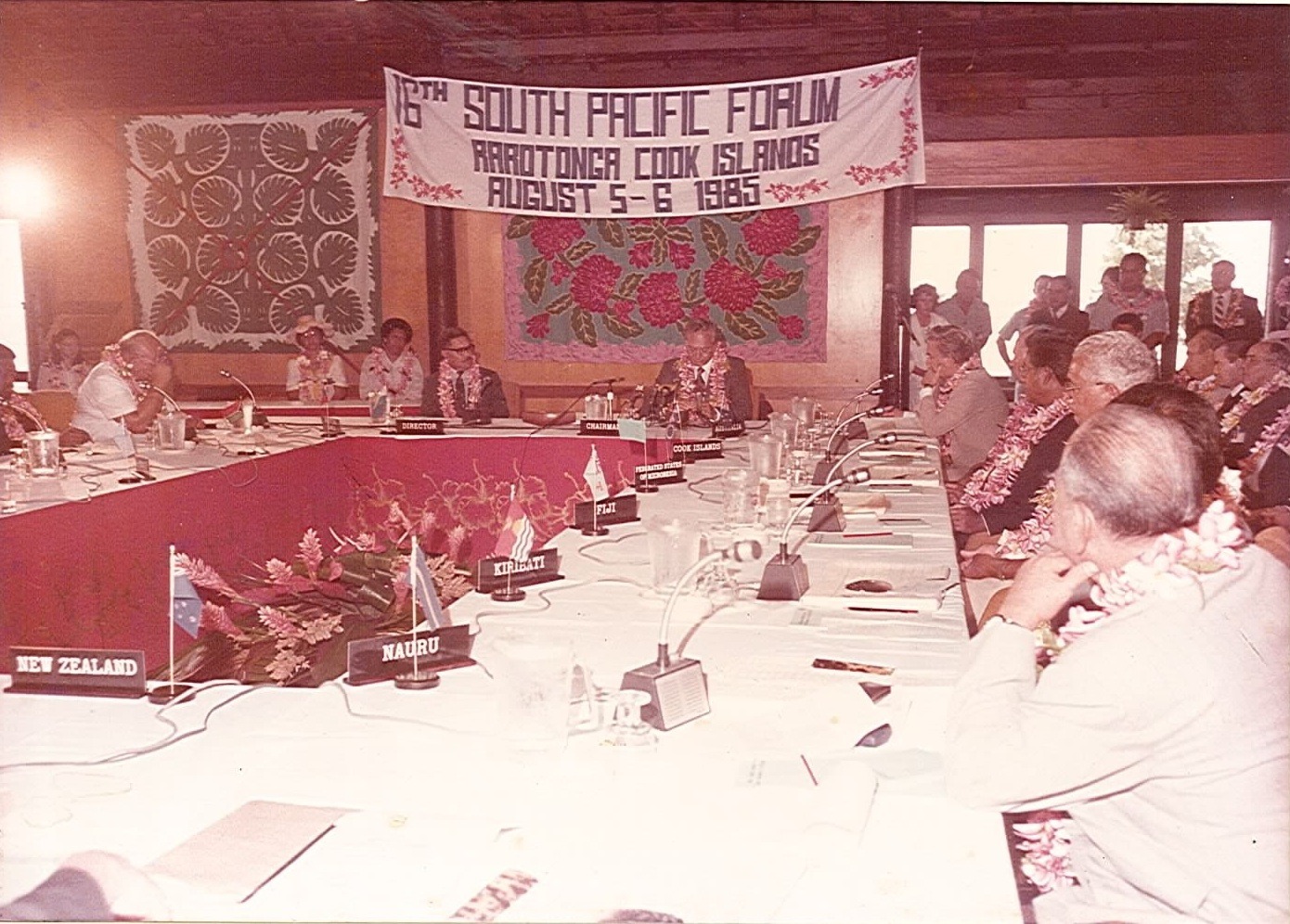
Strengthening a Nuclear-Free Pacific Region
Vijay Naidu argues that the South Pacific Nuclear Free Zone Treaty is under threat from the US-China geostrategic competition.

South Korea’s Strategic Autonomy: Maintaining Regional Stability Amid US-China Competition
Joon Hyung Kim analyses the South Korean foreign policy debate and argues that South Korea must adopt a proactive foreign policy based on strategic autonomy.