A Proposed Indian Nuclear Risk Reduction Mechanism
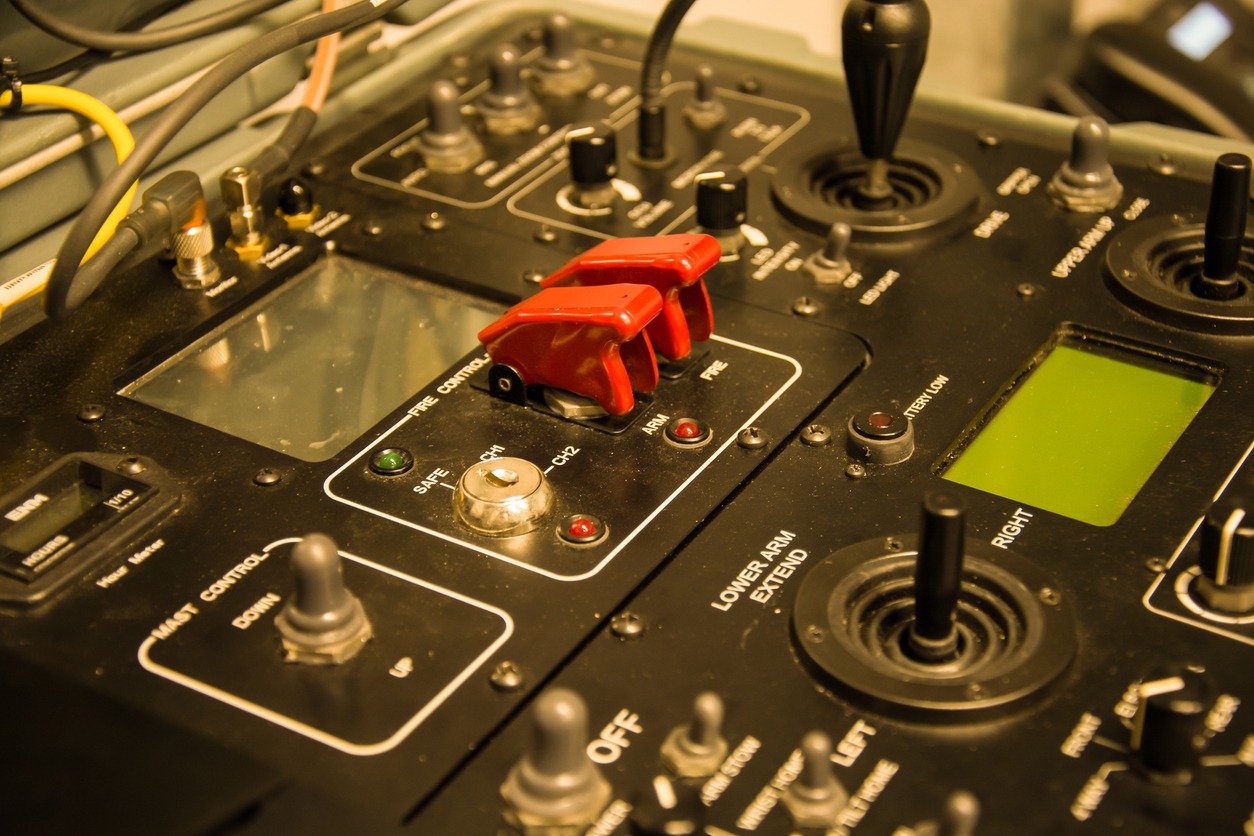
Nuclear-armed states face a key challenge of managing nuclear command, control, and communications (NC3) systems to balance the “Always/Never Dilemma” – ensuring weapons always launch when properly authorised while never detonating accidentally, inadvertently, or without authorisation. To meet the “always” requirement, NC3 systems must be resilient against preemptive attacks, whereas the “never” requirement demands safeguards against design flaws, false alarms, or unauthorised actions. The specific balance between these competing imperatives shifts based on national deterrence policies and geopolitical context, yet systemic risks remain due to potential human error, technical failure, or miscalculation. Historical events, such as false alarms during the Cold War, along with fictional depictions like the Fail Safe movie, highlight that avoiding nuclear catastrophe has relied not only on prudent leadership and professionalism but also on great luck – a streak that cannot be taken for granted and requires continuous risk management through doctrine and system design. The risk of unauthorised or accidental nuclear use can be managed across multiple tiers, ranging from high-level doctrine and system maintenance down to detailed operational procedures and the integration of emerging technologies. To address these factors comprehensively, a multi-level Risk Reduction Review mechanism can be instituted across the entire nuclear weapons ecosystem.
This policy brief examines the necessity and possible shape of such a Risk Reduction Review mechanism in the context of India’s nuclear weapons ecosystem. For most nuclear-armed states, these mechanisms are not publicly declared and tend to work in the background. The paper first establishes the need for such a risk reduction mechanism to be put in place. We then review such risk reduction review systems in vogue in other nuclear-armed states. The US Risk Reduction Review mechanism is the most transparent in its declaration of processes and will be examined in detail in this paper. While other nuclear-armed states also have such mechanisms, relatively less is known of their processes. Next, this paper examines why such reviews are difficult to conduct as regards their aims and structuring. It goes on to explain the unique nature of India’s nuclear weapons programme as well as the existing regulatory mechanisms that establish the broad limits within which this Risk Reduction Review structure can evolve. Finally, it offers broad recommendations for a proposed Risk Reduction Review mechanism for the Indian nuclear weapons ecosystem.
About the Author
Vice Admiral Sanjay Mahindru (Retd) is an Indian Naval officer, retired in September 2023. A submariner and navigation specialist, he has commanded the Shishumar Class submarine, INS Shalki, the frigate, INS Krishna and the destroyer, INS Rajput. Mahindru was the first Commanding Officer of INS Arihant, the first SSBN of the country. He has held the appointments of Flag Officer Submarines, Flag Officer Maharashtra Area, Deputy C-in-C SFC and Deputy Chief of Naval Staff. He has attended the Advanced Command and Staff Course at UK and the Naval Higher Command Course. Mahindru has an MA in Defence Studies from King’s College London and an MPhil in Defence and Strategic Studies from Mumbai University.
This publication was made possible by a grant from Longview Philanthropy.
The opinions articulated above represent the views of the authors and do not necessarily reflect the position of the Asia-Pacific Leadership Network or any of its members. The APLN website is a source of authoritative research and analysis and serves as a platform for debate and discussion among our senior network members, experts and practitioners, as well as the next generation of policymakers, analysts and advocates. Comments and responses can be emailed to apln@apln.network.
Image: iStock/shutterbirdt