Nuclear-Powered Vessels and Environmental Risks: Closing the Regional Nuclear Emergency Preparedness Gap
Julius Cesar Trajano examines the environmental and socioeconomic risks posed by potential nuclear-powered submarine accidents and assesses whether existing ASEAN mechanisms are equipped to respond to a maritime nuclear or radiological emergency.
The paper finds that while nuclear-powered submarines have generally strong safety records, accidents cannot be entirely ruled out. A radiological release in Southeast Asian waters could have consequences extending far beyond the site of an accident, as ocean currents, migratory fish stocks and seafood supply chains cross national boundaries. This could affect marine ecosystems, fisheries, food security and coastal livelihoods across the region.
ASEAN already has important foundations for regional nuclear emergency preparedness, including the ASEAN Network of Regulatory Bodies on Atomic Energy (ASEANTOM), the ASEAN Protocol for Preparedness and Response to a Nuclear or Radiological Emergency, regional radiation-monitoring initiatives and emergency exercises. However, much of the region’s existing preparedness remains focused on land-based nuclear facilities and conventional radiological emergencies rather than accidents involving mobile, offshore and potentially military nuclear-powered vessels.
The paper argues that ASEAN does not need to create an entirely new system. Instead, it should adapt and strengthen existing mechanisms by incorporating maritime nuclear emergencies into regional exercises, expanding marine radiation monitoring and improving coordination among nuclear regulators, maritime authorities, coast guards, navies, fisheries agencies, environmental authorities and health ministries.
Key findings
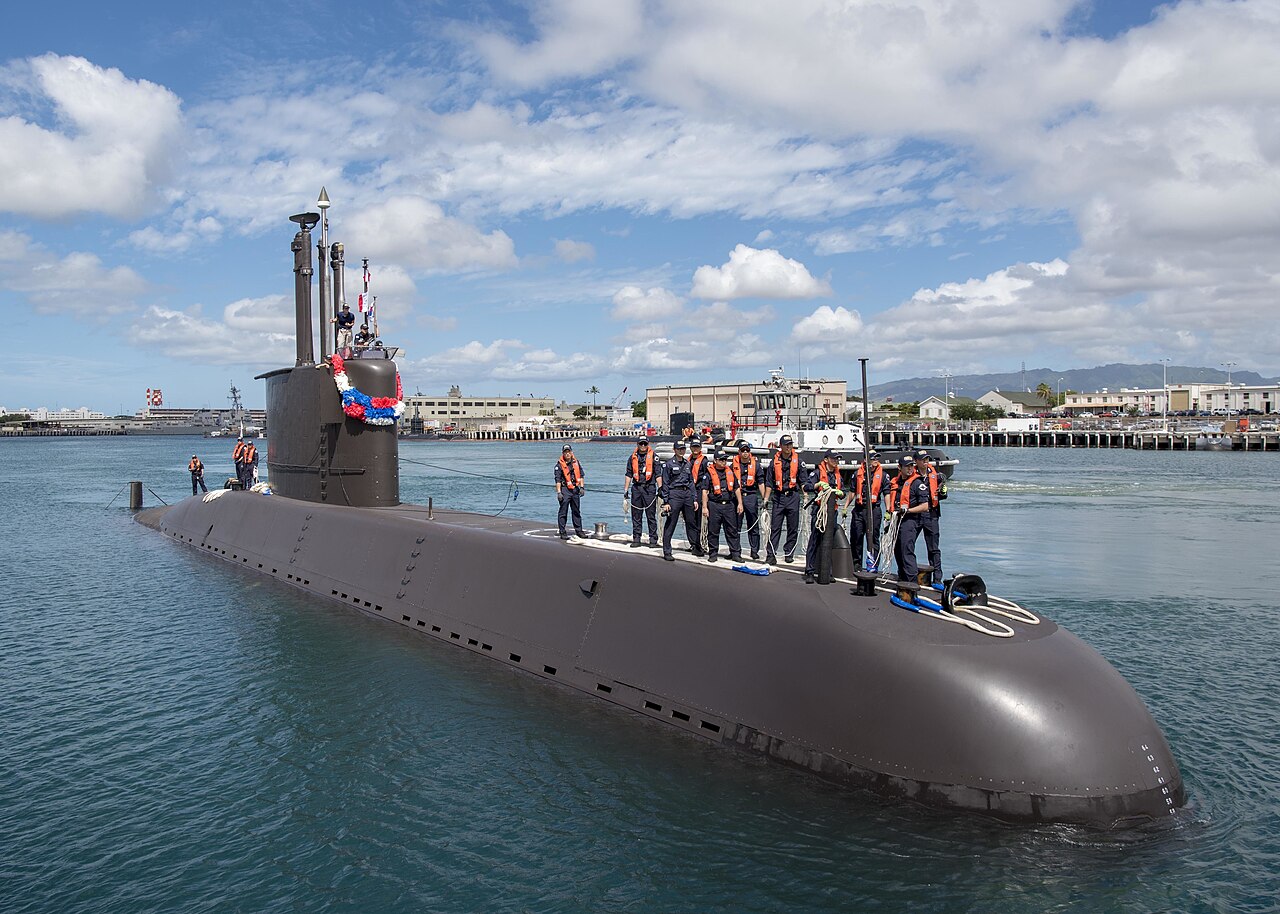
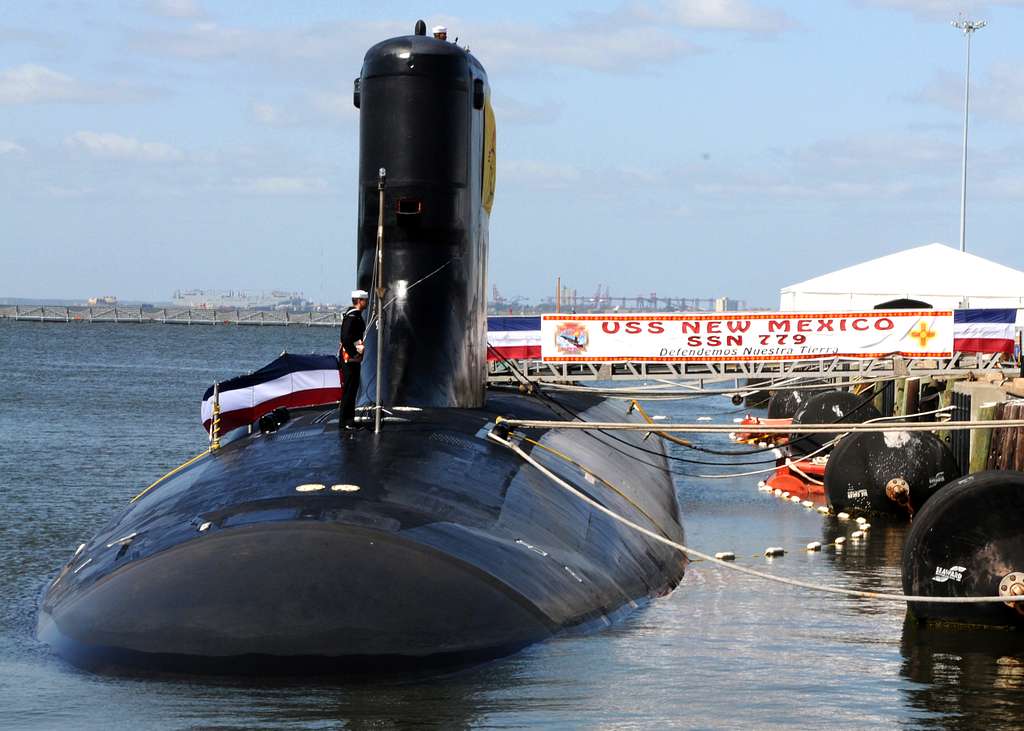
The growing presence and transit of nuclear-powered submarines through Southeast Asian waters creates a low-probability but potentially significant environmental and maritime risk. Past submarine accidents demonstrate that navigational failures, maintenance problems, human error and operational mishaps can occur even where reactor systems themselves remain safe.
A radiological release in the South China Sea could become a transboundary regional emergency. Ocean circulation could carry radionuclides across maritime boundaries, requiring coordinated environmental monitoring, information sharing and emergency response among affected states.
Fisheries, food security and coastal livelihoods could be affected even if radioactive contamination were geographically limited. Fishing closures, seafood monitoring, import restrictions and consumer concerns could disrupt fishing communities and regional seafood supply chains beyond the immediate accident area.
ASEAN already has many of the institutions needed to respond to a transboundary nuclear emergency. ASEANTOM, the ASEAN emergency preparedness protocol, radiation-monitoring initiatives and regional exercises provide a foundation for stronger regional preparedness.
The principal gap is maritime preparedness. Existing national systems are generally designed around fixed nuclear facilities, radioactive sources and land-based emergencies. An accident involving a nuclear-powered submarine could occur hundreds of kilometres offshore and involve military sensitivities, uncertain reactor conditions and complex maritime jurisdiction. Pasted text
ASEAN should incorporate nuclear-powered submarine accident scenarios into ASEANTOM exercises, including AR/NEX, and involve coast guards, navies, maritime authorities, environmental agencies, fisheries authorities, health ministries and foreign ministries alongside nuclear regulators.
ASEAN should also expand existing radiation-monitoring cooperation into the maritime domain by establishing baseline marine radiation data and procedures for rapidly sharing seawater, sediment and seafood monitoring information following a suspected incident.
Rather than creating a separate regional system, ASEAN should develop an integrated nuclear emergency preparedness ecosystem in which national authorities retain primary responsibility while operating within a regional framework for notification, monitoring, information exchange, technical assistance and coordinated response.
About the Author
Julius Cesar Tranjano is a Research Fellow at the S. Rajaratnam School of International Studies, Nanyang Technological University, Singapore. Mr Trajano conducts policy research studies and has publications on non-traditional security issues, particularly on marine environmental protection in Southeast Asia, nuclear security and safety governance in East Asia, internal conflicts, and human trafficking. He is also presently the coordinating chair for the Asia Working Group of the International Nuclear Security Education Network and is a member of the Council for Security Cooperation in the Asia-Pacific- Nuclear Energy Experts Group.
The paper is part of APLN’s series on undersea warfare and nuclear risk in the Asia-Pacific, supported by the Heinrich Böll Stiftung. All views expressed are those of the authors and do not represent the official views of HBS, the Asia-Pacific Leadership Network, or its board, members, or other funders.
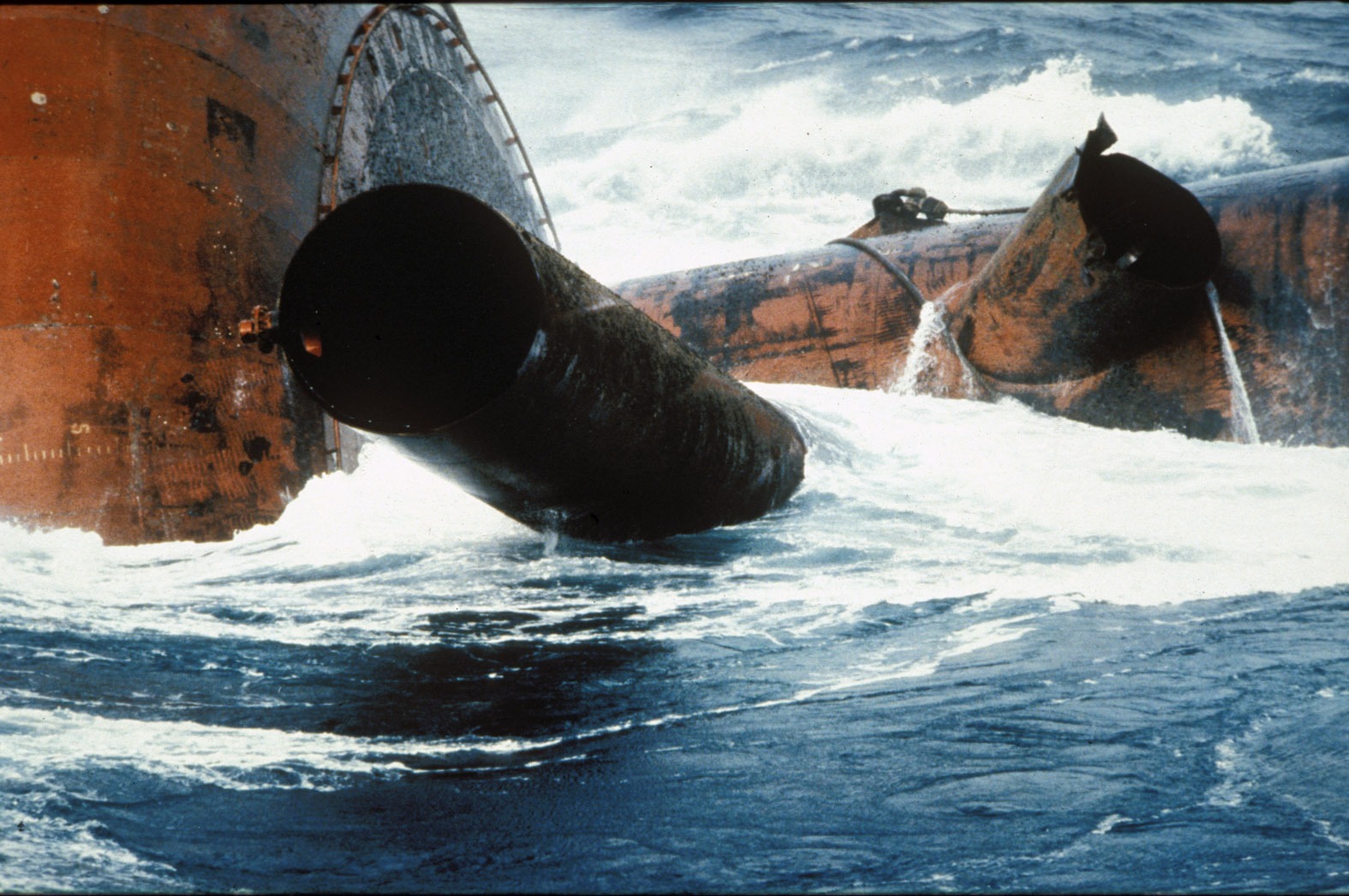
Image: Alexander L. Kielland, Column D in the water, Details of fracture at the hydrophone. Wikimedia Commons.