
Addressing Sub-Regional and Cross-Regional Strategic Risks

Southeast Asia Multialignment Agency and Hedging Bets Beyond US-China Flux
Prashanth Parameswaran argues that Southeast Asian states are actively asserting their agency as a global multialignment testbed to navigate structural pressures and secure their interests.
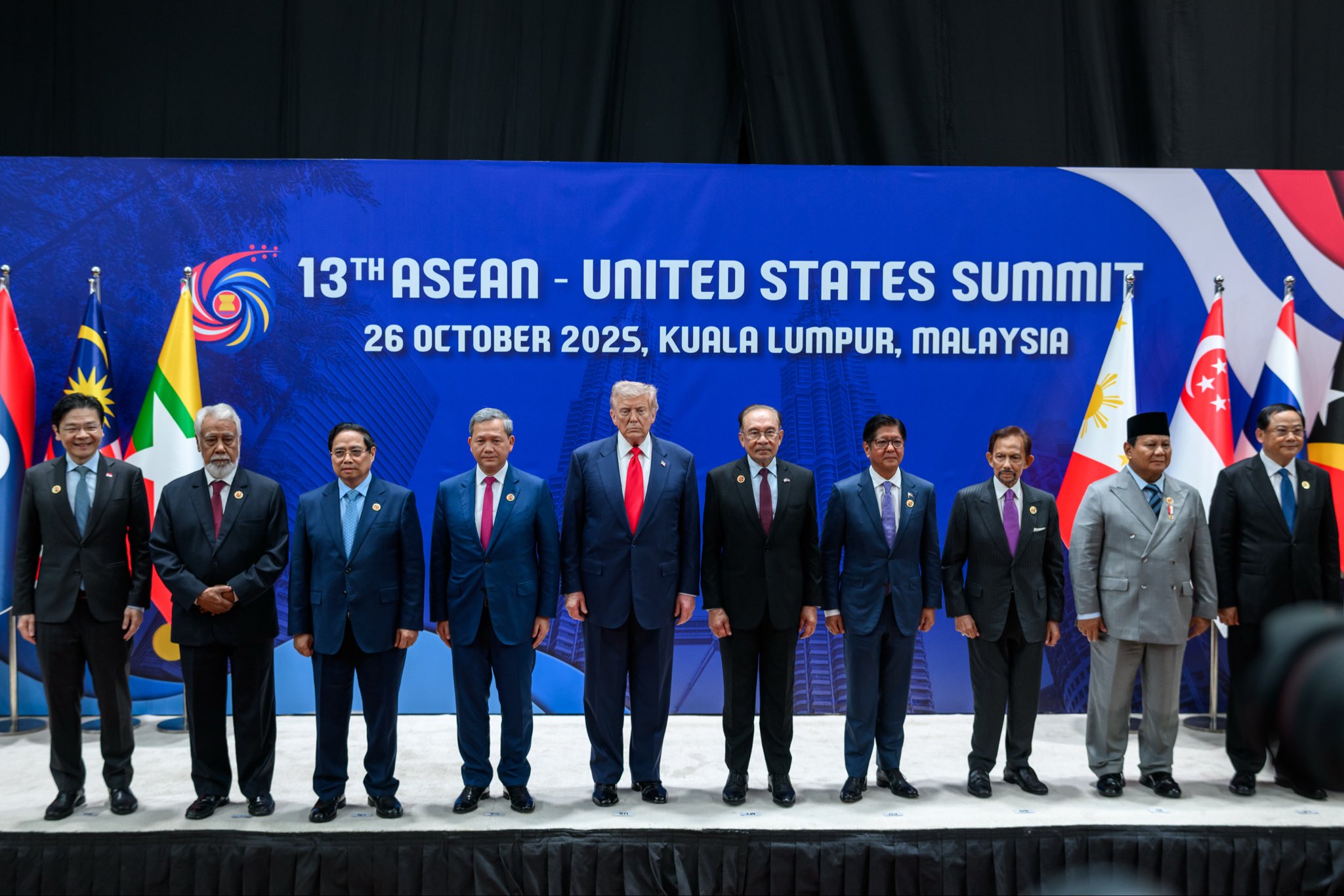
US Policy towards Southeast Asia under the Trump Administration
Piper Campbell assesses the trajectory of US-Southeast Asia relations against the backdrop of evolving US-China geopolitical competition.
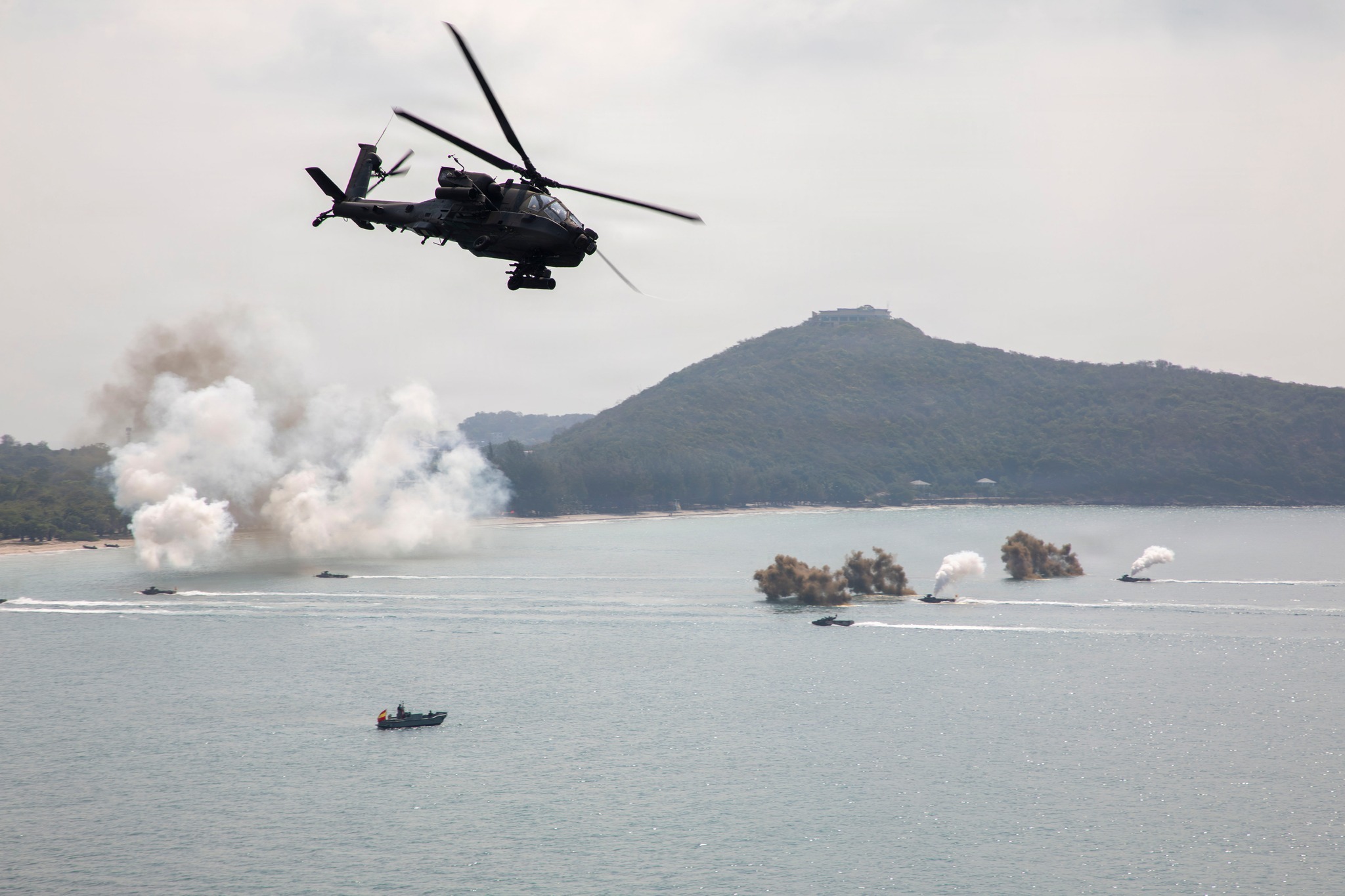
Military Exercises and Security Multialignment in Asia amid US-China Competition
Prashanth Parameswaran assesses the accelerating proliferation of military exercises in Asia, driven by intensifying US–China strategic competition.
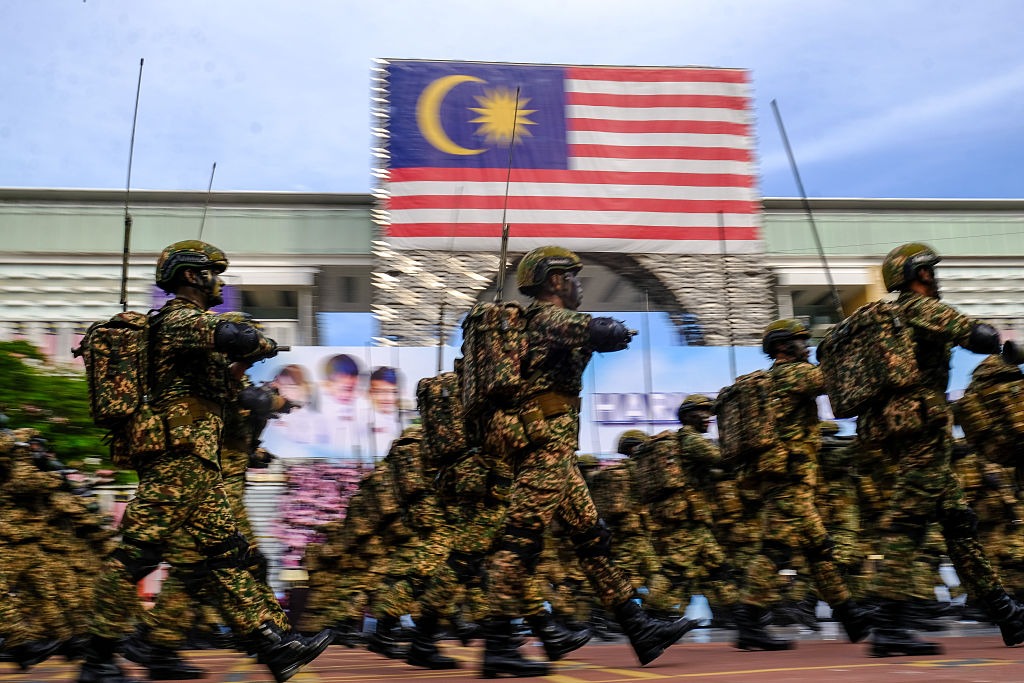
Situating Malaysia’s Defence Partnerships: Prospects for the Next Decade
Hoo Chiew Ping and Ngeow Chow Bing evaluate the five most consequential defence partnerships that will impact Malaysia's strategic environment in the near future, amid shifting major power dynamics.

Beyond Collective Balancing: A Typology of Asian Minilaterals and US Strategic ...
Kelly Grieco observes that US expectations for Asian minilaterals are increasingly disconnected from regional realities.
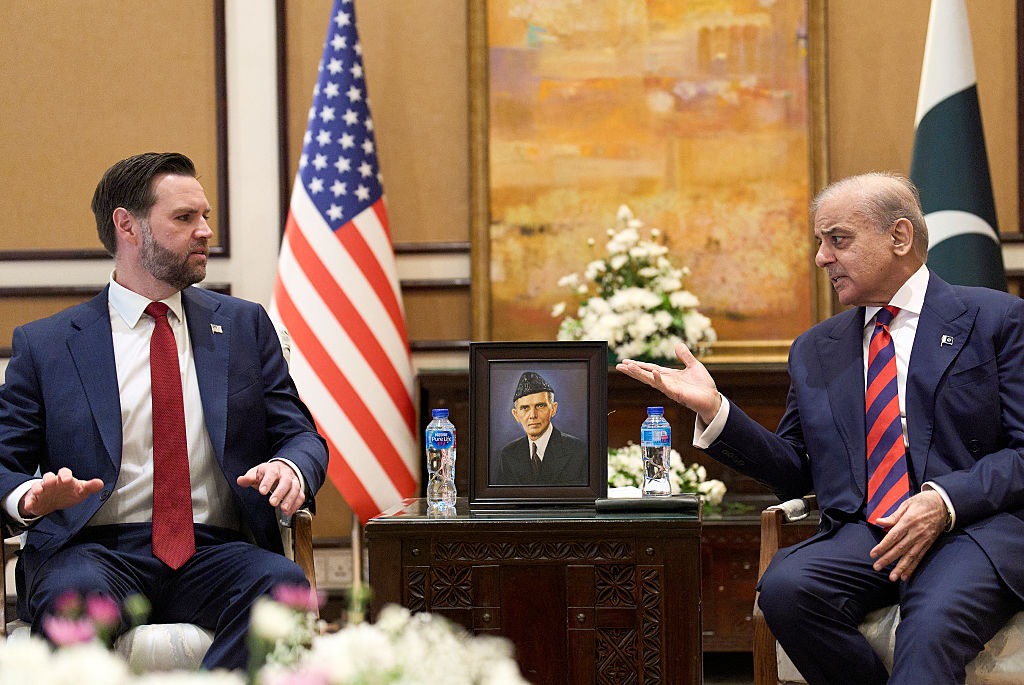
Middle East Conflicts’ Implications for Two Koreas
Carlos Sorreta argues that armed conflict in West Asia has inadvertently validated North Korea's nuclear ambitions and spurred a potential arms race in the Asia-Pacific.
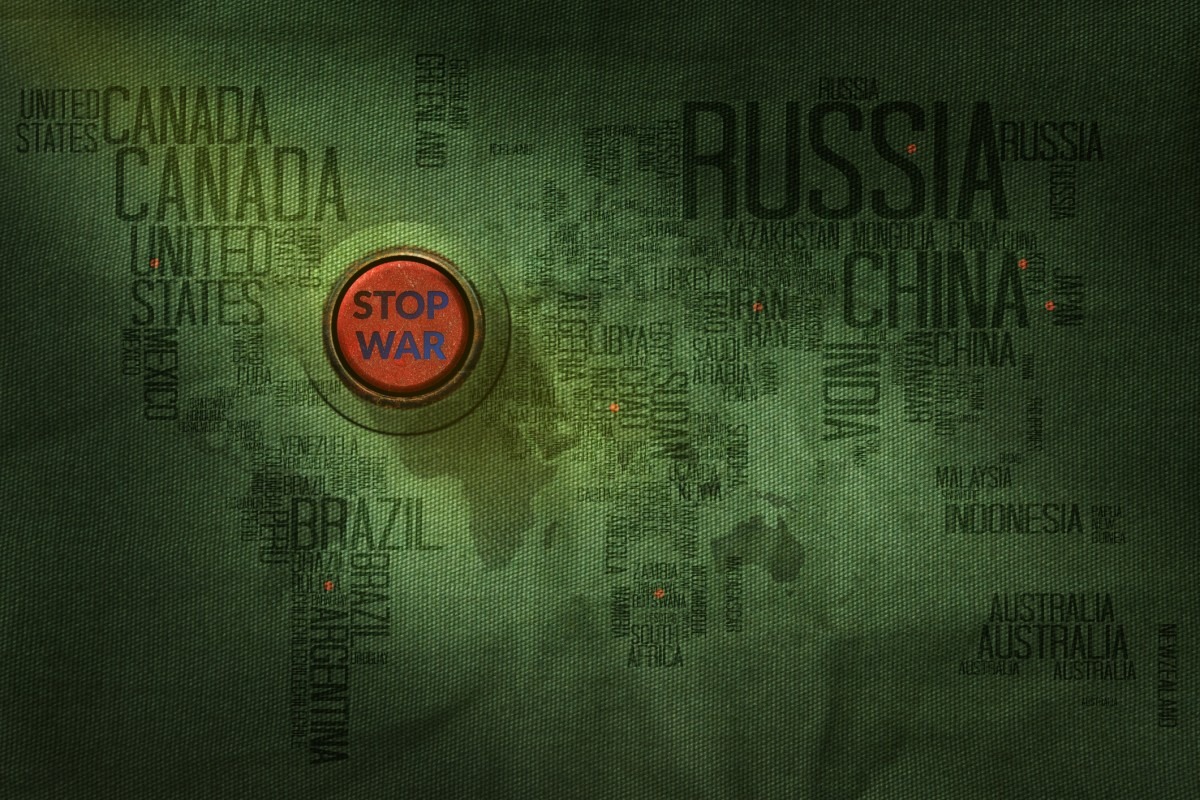
Time for Strategic Dialogue on Great Power Threats to Peace and Security
Kazuko Ito urges nations to replace strategic over-reliance on the US with resilient multilateral security partnerships to safeguard global peace from superpower overreach.
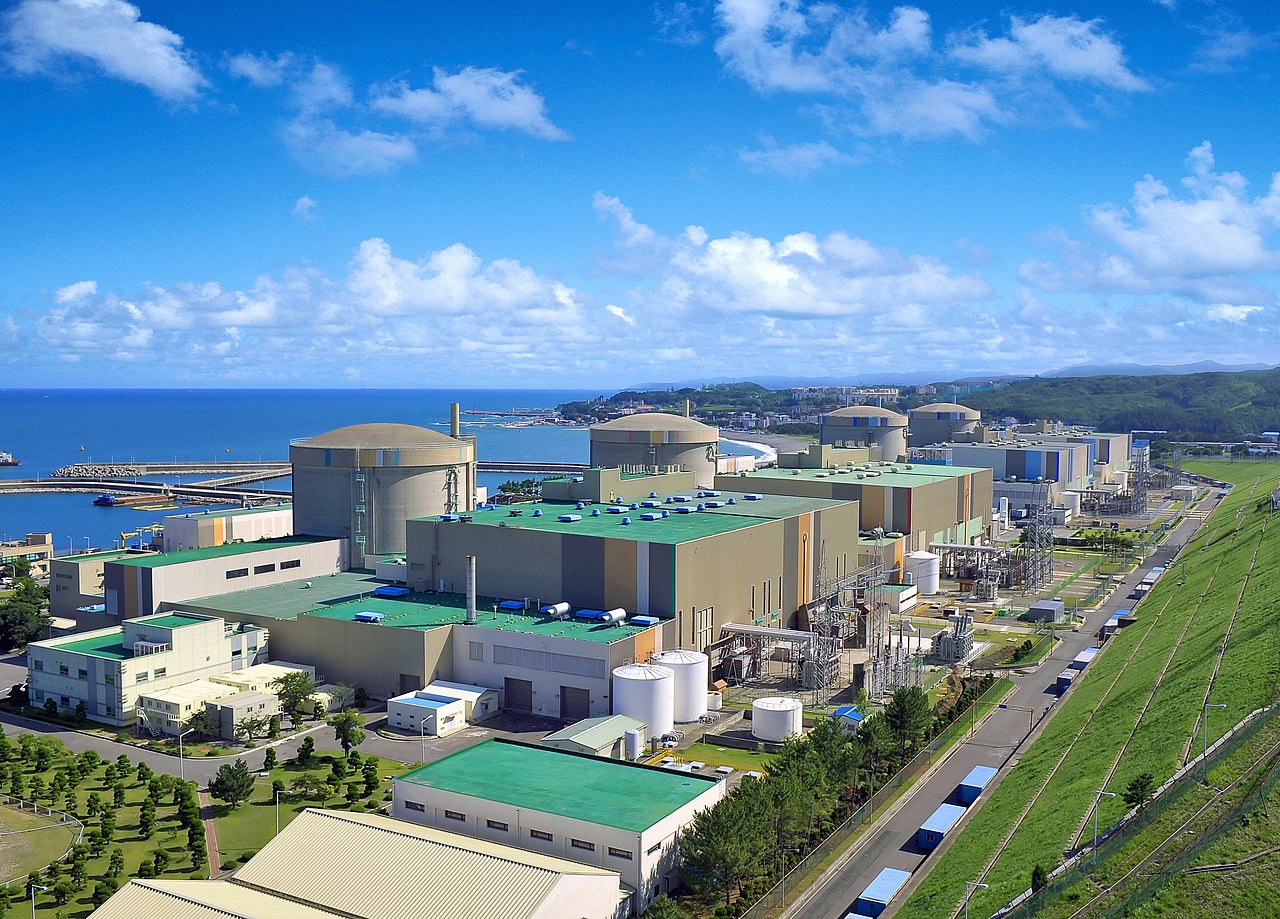
Securing the ROK Nuclear Fuel Cycle: Implications for Southeast Asia
Alvin Chew argues that South Korea should leverage its nuclear partnership with the US to form a joint consortium for the Southeast Asian market, a move that would ensure maximum transparency and ...
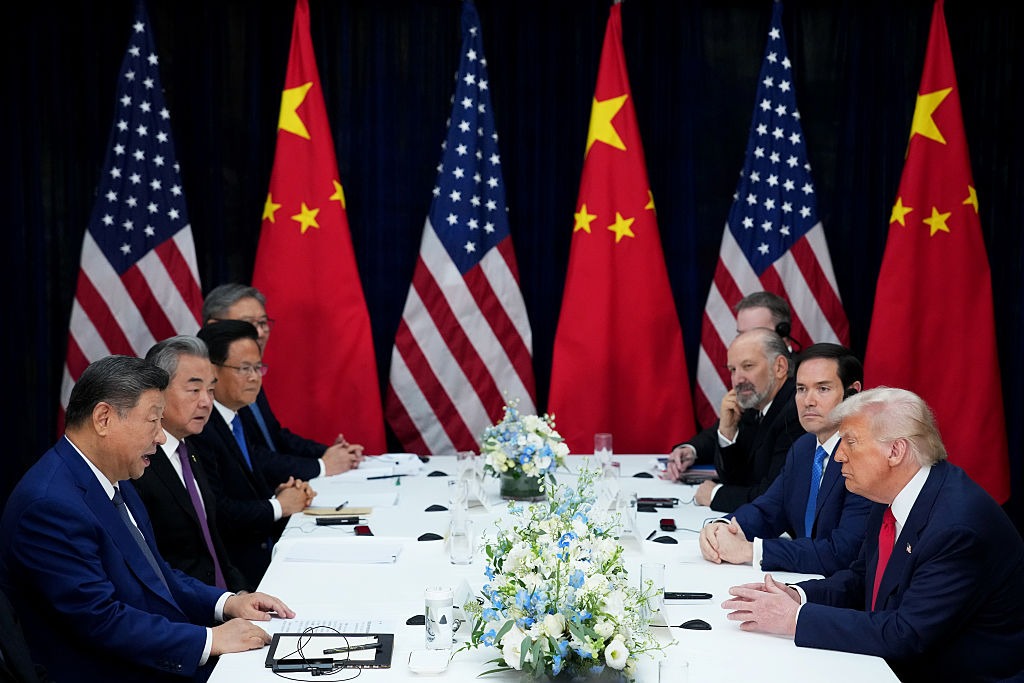
Loss and Containment: Asia-Pacific states and the exaggerated threat perceptions of the ...
Frank O'Donnell and Joel Petersson Ivre argue that the US and China each misperceive the other's regional influence due to an inability to appreciate regional agency.

The Need for a Cost-Benefit Analysis for Nuclear Debate in Japan
Michiru Nishida reflects on Japan's nuclear debate and explains how the costs of nuclear armament outweigh its benefits for Japan.