Expanding US-ROK Nuclear Cooperation: A Strategic Partnership for the Carbon-Neutral Era
The 2015 US-ROK Agreement for Peaceful Nuclear Cooperation represented a paradigm shift from the unilateral provisions that characterised the original 1974 agreement. The agreement between the Republic of Korea (ROK) and the United States established crucial provisions for spent nuclear fuel management, including recognition of pyroprocessing research, authorisation for overseas reprocessing entrustment, and cooperation across fifteen technical domains. Significantly, it guaranteed emergency fuel supply mechanisms, streamlined procedures for low-enriched uranium enrichment, and enabled the retransfer of US-origin materials to approximately forty countries without separate approval.
The post-2015 period has witnessed remarkable accomplishments that validate the agreement’s strategic value. The crowning achievement came with Korea’s successful bid for the Czech Dukovany nuclear project – a 26 trillion KRW contract representing Korea’s entry into the European market. This success required resolving complex intellectual property disputes with Westinghouse.
President Trump’s May 2025 executive order on nuclear revival fundamentally may transform the landscape for US-ROK cooperation. The order mandates constructing ten large nuclear plants by 2030 and expanding US nuclear capacity from 100 GW to 400 GW by 2050 – requiring approximately 12 GW of annual additions. For the ROK, this presents an unprecedented strategic opportunity to explore innovative collaborational frameworks.
This paper identifies three important areas for ROK-US cooperation:
The first area is expanded cooperation for nuclear power plant construction. For the US industry to achieve its ambitious goal of expanding nuclear generating capacity, it should forge cooperation that actively makes use of the ROK’s accumulated technological expertise and extensive experience.
The second area is expanded cooperation for a stable supply of nuclear fuel. Global nuclear fuel supply chains are undergoing a fundamental realignment due to Western sanctions against Russia following its invasion of Ukraine. In this situation, it is critical to urgently establish a systematic cooperation framework between the two countries to ensure a stable supply of nuclear fuel.
The third area to consider is cooperation in developing spent nuclear fuel processing technology. Based on the results of the pyroprocessing joint research that the two countries have steadily advanced over the past 10 years, a foundation can be established to systematically develop various plans related to spent nuclear fuel processing.
The path forward demands moving beyond formulaic debates toward cooperative creativity that serves mutual strategic interests. Success requires both nations to recognise that US-ROK nuclear cooperation extends beyond bilateral benefits – it represents leadership in the global transition toward carbon neutrality, addressing energy security challenges while advancing nonproliferation principles. By transforming this partnership into a genuine strategic partnership, both nations can secure their prosperity while establishing an energy cooperation framework that makes sustainable, carbon-neutral growth achievable worldwide.
About the Author
Amb. Park Robyug is a distinguished career diplomat and scholar with over three decades of experience in diplomacy and academia. He currently serves as Secretary General of the International Conference of Asian Political Parties (ICAPP). Having joined the Ministry of Foreign Affairs in 1980, he held key positions including Director-General for European Affairs and postings at the Korean embassies in Russia and the United States. He served as Ambassador to Ukraine and Moldova (2008–2011) and Ambassador to Russia (2015–2017), as well as the Chief Negotiator for the Civil Nuclear Cooperation Agreement with the US (2011–2015) and Ambassador for Energy and Resources.
Following his diplomatic service, Amb. Park continued to contribute to academia as Adjunct Professor at the Korea National Diplomatic Academy and Visiting Professor at Hankuk University of Foreign Studies (2018–2022). Since November 2024, he has been a Visiting Professor at the Institute for Far Eastern Studies, Kyungnam University.
This policy paper is a lightly edited translation of an article originally published in Korean in the July 2025 issue of the Journal of the Korean Nuclear Policy Association, commemorating the 10th anniversary of the revised US–ROK Agreement for Peaceful Nuclear Cooperation. It is reprinted with permission. The author extends particular thanks to Professor Jun Bong-geun for his editorial input on the original article.
The opinions articulated in this series represent the views of the author(s) and do not necessarily reflect the position of the Asia-Pacific Leadership Network or any of its members. APLN’s website is a source of authoritative research and analysis and serves as a platform for debate and discussion among our senior network members, experts, and practitioners, as well as the next generation of policymakers, analysts, and advocates. Comments and responses can be emailed to apln@apln.network.
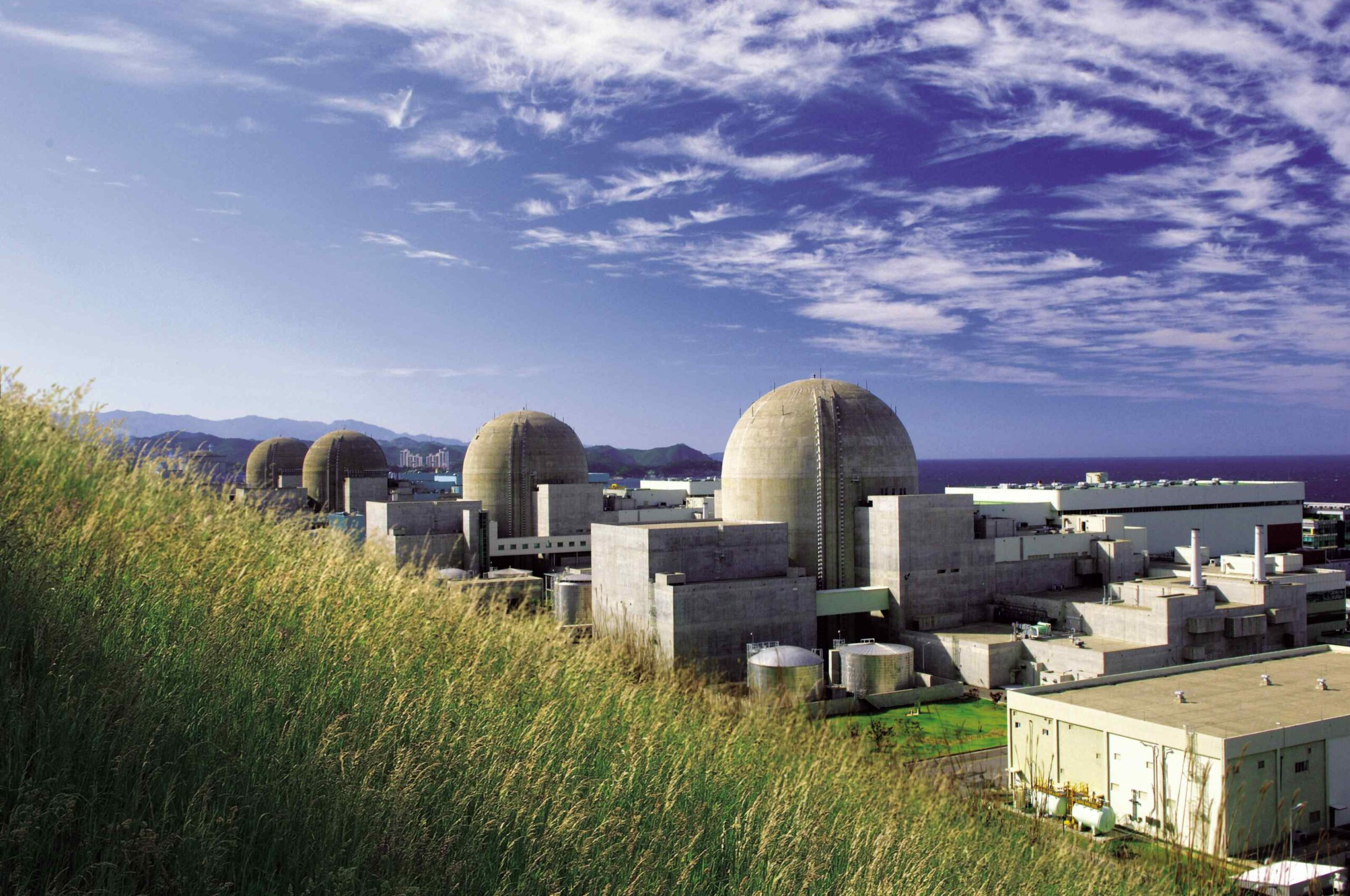
Image: Korea Ulchin Nuclear Power Plant (Photo Credit: Korea Ulchin NPP).