Managing First-Strike Pressures, the Nuclear Taboo, and Proliferation Risks in Northeast Asia Workshop in Tokyo
Organised by Toda Peace Institute & Asia-Pacific Leadership Network (APLN)
Tokyo, Japan — 22–23 September, 2026
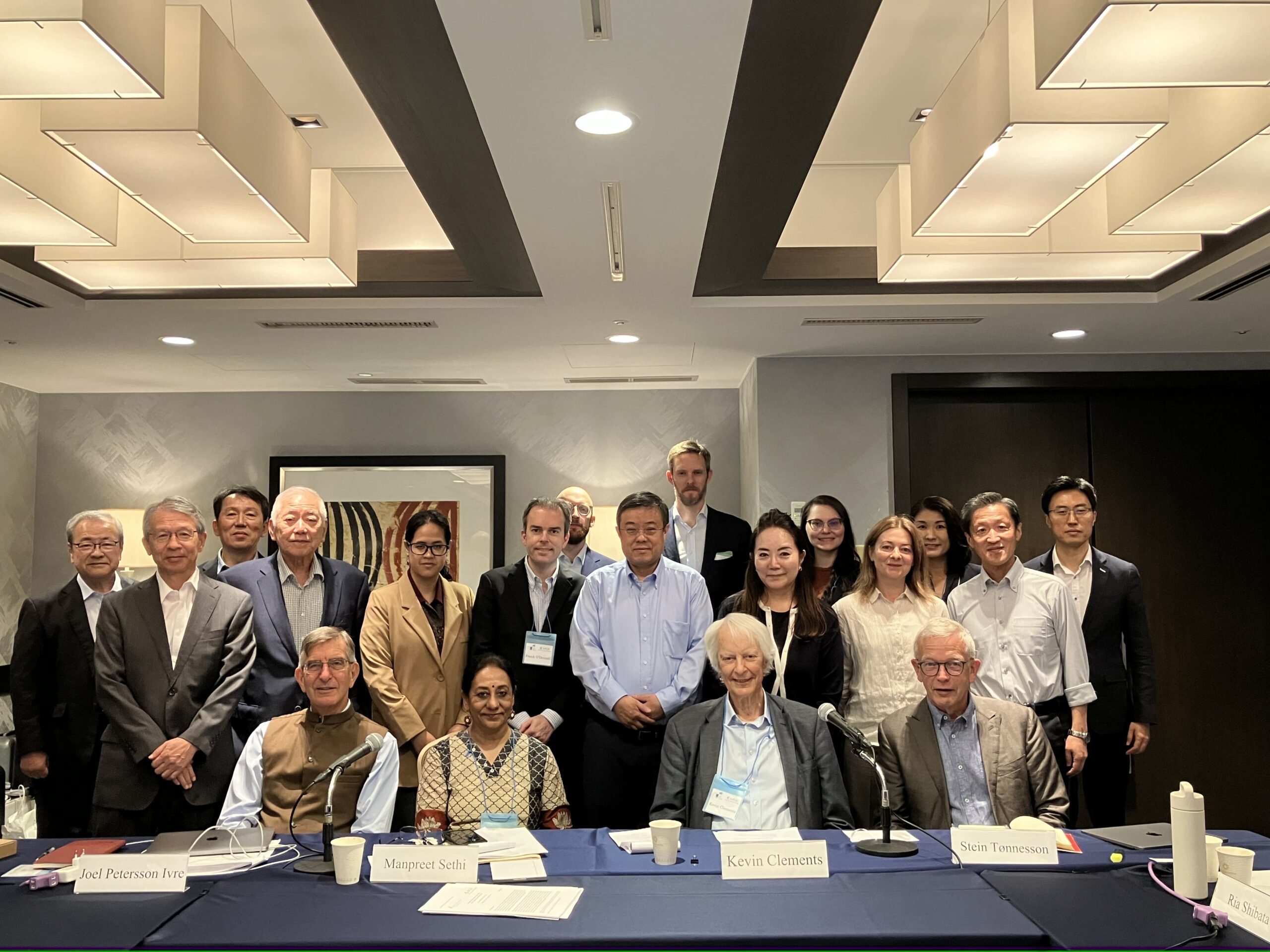
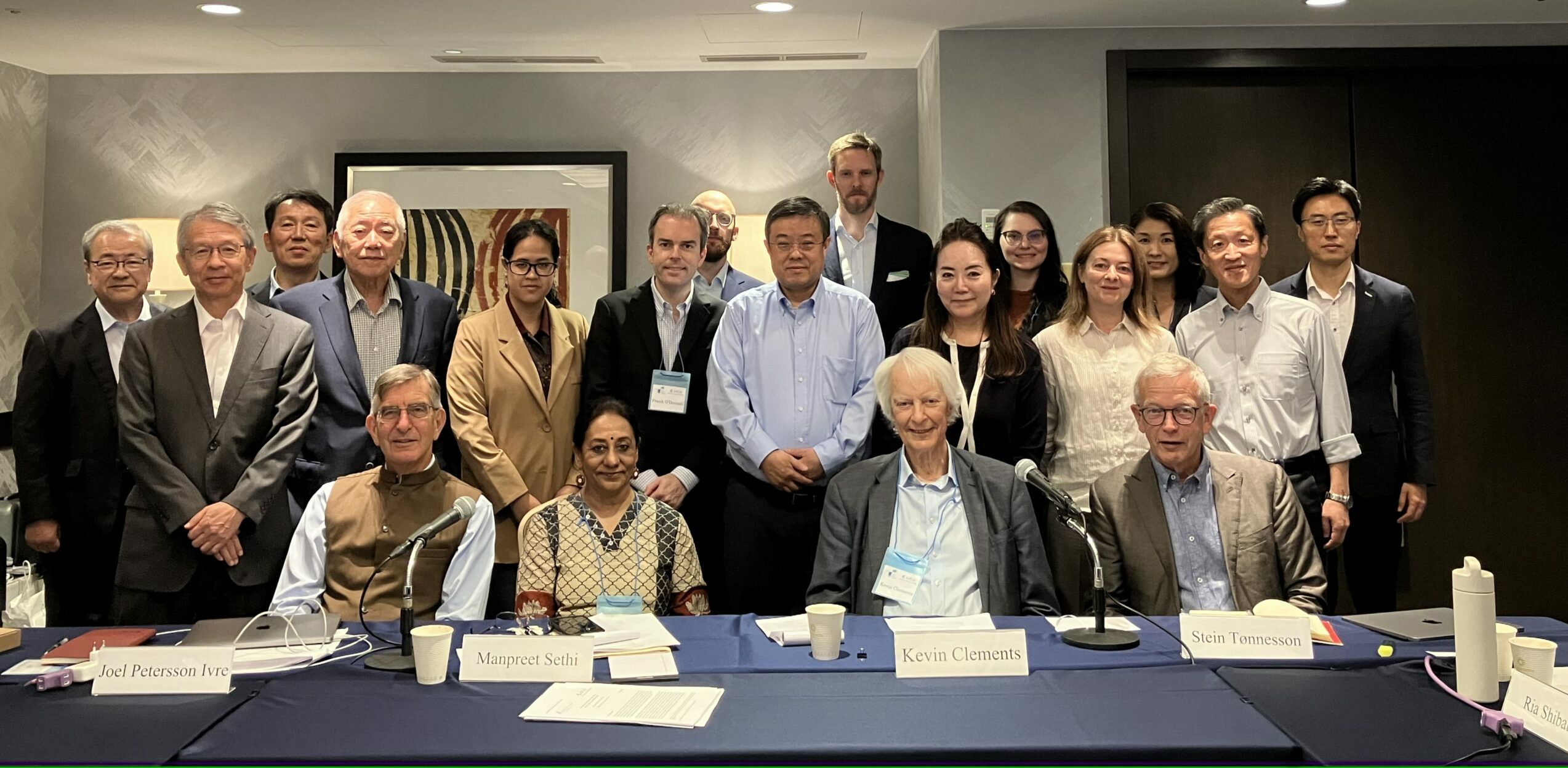
The Toda Peace Institute and the Asia-Pacific Leadership Network (APLN) convened a two-day workshop in Tokyo on 22–23 September 2026 to examine growing nuclear escalation and proliferation risks in Northeast Asia. Held at the Keio Plaza Hotel in Tokyo, the workshop brought together senior experts to assess the region’s rapidly changing strategic environment, identify sources of first-strike pressure, and explore ways to strengthen the nuclear taboo and reduce nuclear risks.
Northeast Asia is facing one of its most serious convergences of nuclear escalation and proliferation risks since the end of the Cold War. Regional threat perceptions have continued to intensify, while the norms that have long constrained nuclear use and proliferation have come under increasing strain.
The workshop examined these interconnected challenges against the backdrop of North Korea’s adoption of a first-use doctrine and continued advances in its nuclear delivery capabilities. Participants also considered growing uncertainty surrounding US extended deterrence and the implications of questions about Washington’s commitment to its regional allies. Recent signals from the Pentagon, including a review of nuclear deployment guidance and public remarks by senior officials concerning expanded tactical nuclear options for regional conflict scenarios, have added further uncertainty to the strategic environment.
At the same time, proliferation pressures have continued to grow. Public support for indigenous nuclear weapons remains high in South Korea, despite the temporary dampening of calls for nuclear armament following the 2023 Washington Declaration. In Japan, renewed debate over the country’s nuclear posture—including questions surrounding the Three Non-Nuclear Principles—has added another dimension to the regional security discussion. These developments point to the possibility of a regional nuclear domino effect, in which heightened threat perceptions could simultaneously increase first-strike incentives, weaken the nuclear taboo, and intensify pressures for nuclear proliferation.
Against this background, the workshop provided an opportunity for experts from across the region and beyond to examine these challenges from multiple perspectives and consider practical approaches to reducing nuclear risks in Northeast Asia. The workshop outputs will be published jointly by both institutes as a series of commissioned research papers and policy briefs.
The project seeks to connect strategic analysis with practical policy development and to contribute to ongoing efforts to prevent nuclear escalation and strengthen the norms and institutions that constrain nuclear use and proliferation. The Tokyo workshop marked an important stage in this process, bringing together expertise from Japan, South Korea, China, the United States, India, and Russia to address some of the most pressing nuclear security challenges facing Northeast Asia today.